How to Propagate Dieffenbachia? A Detailed Guide to Propagation Methods
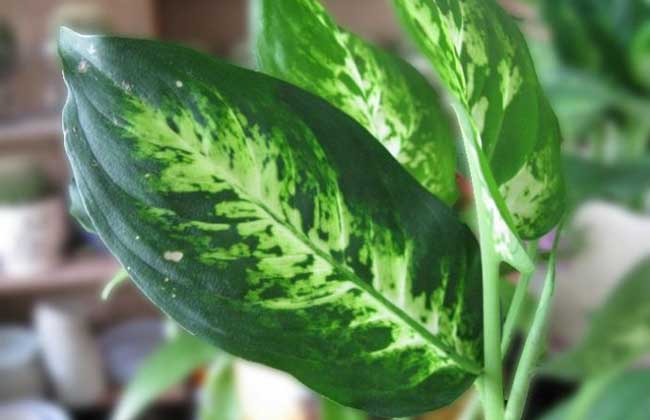
Dieffenbachia is a common ornamental plant that prefers high temperatures, high humidity, and semi-shade or full shade. It is not cold-tolerant, dislikes direct strong light, and requires loose, fertile, well-drained sandy loam. Its main propagation methods are division, cuttings, and seed sowing. Let's take a look at the propagation methods for Dieffenbachia below!
Propagation of Dieffenbachia by Division
Division propagation of Dieffenbachia is usually carried out in spring when repotting. The plant is lifted out of the pot, the rhizome at the base of the stem is cut apart, and wood ash is applied to prevent rot. Alternatively, let it sit for half a day until the cut surface dries before potting. After planting, do not water too much. For natural offset propagation, dig up the bulbs in August-September and plant them graded by size. After one planting, wait several years until the bulbs become crowded before dividing the offsets again.
Propagation of Dieffenbachia by Cuttings
Cutting propagation of Dieffenbachia is best done in spring and summer. Select a sturdy young stem 12-15 cm long as the cutting, keep the top 2 leaves, and insert it into a sand bed. Maintain high air humidity at a room temperature of 25-30°C. Roots will form 20-28 days after insertion. Water propagation can also be used, with the cutting slightly longer, preferably 15-20 cm, inserted directly into a glass bottle filled with clean water, changing the water once every 2 days. New roots will grow in about 15-20 days, and when the roots are 3-4 cm long, pot the plant.
Propagation of Dieffenbachia by Seed Sowing
Seed propagation of Dieffenbachia is generally carried out between March and April. Sow in a flower pot filled with potting soil, water, then place it temporarily in a shaded spot and keep it moist. At 25-30°C, germination occurs in about 25 days.