Does the lucky bamboo bloom? A comprehensive analysis of the reasons for blooming
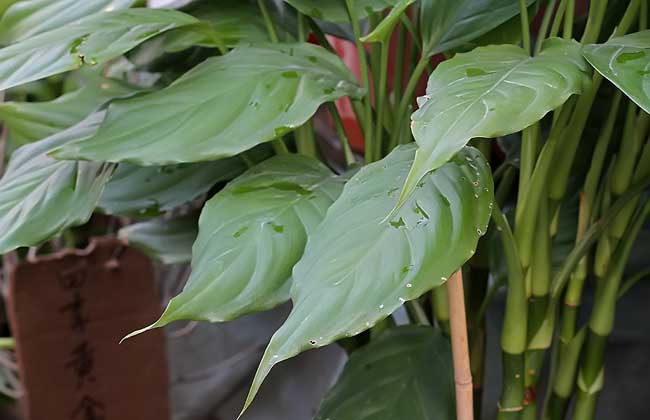
The lucky bamboo (Rohdea japonica) is a perennial evergreen herbaceous plant that originally existed only in southern China and Japan, especially in China, where it has a long history of cultivation. It is a very popular ornamental plant because its leaves stay spring-like all year round, and its leaves are emerald green, which is why it is called evergreen, "wannianqing". Now let us take a look at whether the lucky bamboo will bloom!
Does the lucky bamboo bloom?
The lucky bamboo generally blooms from late May to June. When the flower spike emerging from the flower stem is densely covered with small greenish-white flowers, the potting soil should be kept moderately moist, and it should be given an environment that is sheltered from rain, cool and ventilated, and it must not be exposed to strong direct sunlight or scorching sun, otherwise the style will wilt and the flower buds will turn black and rot. During the flowering period, carry out artificial pollination, or promote cross-pollination to increase the fruit-setting rate.
Is it good for the lucky bamboo to bloom?
The flowers produced by the lucky bamboo are generally red, and red is an auspicious symbol in China. Since ancient times, people have used it as a ceremonial decoration in all happy occasions such as building houses, moving homes, and weddings. The lucky bamboo not only has leaves for viewing, but its red berries also stay on for a long time without falling. It is an excellent choice for indoor display, for decorating halls, living rooms, and public places, and it carries the meaning of “good luck and happiness, evergreen forever”.
How to grow the lucky bamboo
1. Soil selection: For the cultivation soil of the lucky bamboo, humus soil, leaf mold, sandy soil, and furnace cinders can be mixed with fertilizer. All five soil materials should be prepared in advance, exposed to strong sunlight, then finely broken up and sieved before they are ready for use.
2. Reasonable fertilizing: The leaves of the lucky bamboo are thick and emerald green, so it must be fertilized once every 15 days. After normal outdoor cultivation in spring, apply a top dressing about once every 7 days. Stop top dressing before flowering, and after fruiting, give it a large amount of fertilizer, applying top dressing at intervals to make the fruit plump.
3. Watering management: The lucky bamboo likes moisture but is afraid of waterlogging, so it should not be watered too much, otherwise the roots are prone to rot. Water once every 2-3 days. It is best to place a water tray under the flower pot so that water can seep into the soil through the small holes, which can keep the potting soil moist at all times.
4. Temperature management: The lucky bamboo has strong vitality and can survive in both the north and the south. A temperature of 20-30°C is favorable. In winter it must be around 7°C to ensure its safety.
5. Light control: The lucky bamboo likes moist soil and also likes to grow in an environment with weak light. In summer it should be placed in a place without sunlight. As an ornamental flower at home, it can be placed under the balcony to avoid strong sunlight. If it is to be cultivated outdoors in summer, a shed needs to be built to shade the sunlight. Under sunlight, the leaves easily turn greenish-white, and the edges of the leaves also easily become scorched.
6. Timely pruning: The lucky bamboo should be pruned in time, and this should be completed before the Beginning of Summer. When pruning, check front and back, and cut off leaves that are aged, insect-damaged, or cracked. In spring, the old useless leaves should be cut off, which can concentrate nutrients and make the plant sprout new buds and differentiate flower buds. Pruning is an important task, otherwise it is difficult for it to bloom.