Symbolism and Meaning of the Lucky Bamboo Explained
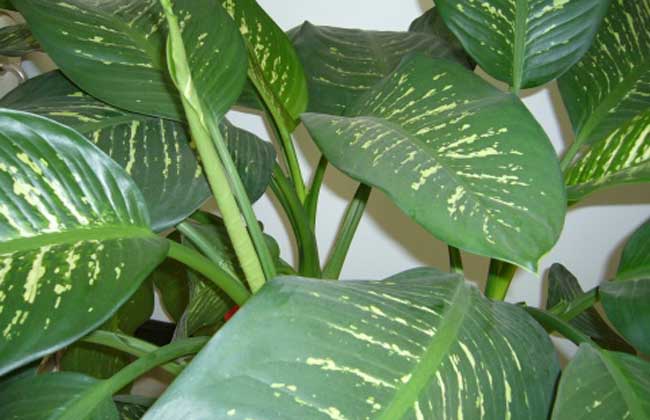
The lucky bamboo, also known as red-fruited lucky bamboo, throat-opening sword, nine-jointed lotus, winter-evergreen, and iron shoulder pole, is a perennial herbaceous plant of the genus Rohdea in the Liliaceae family, native to southern China and Japan. It is a very popular ornamental houseplant with a long history, symbolizing enduring friendship and blessings of fortune, prosperity, longevity, and well-being. Let's take a look together below!
Symbolism of the Lucky Bamboo
Peace and Safety,Happiness and Good Fortune,All Wishes Fulfilled,Enduring Friendship,Fortune and Longevity。
Meaning of the Lucky Bamboo Blooming
The flowers produced by the lucky bamboo are generally red, and red is a symbol of good fortune in China. Since ancient times, people have used it as a ceremonial decoration for all happy occasions such as building houses, moving residences, and weddings. The red fruits also remain on the plant for a long time, making it an excellent choice for indoor display, decorating halls, living rooms, and public spaces, carrying the meaning of “good fortune and prosperity, everlasting green.”
How to Grow the Lucky Bamboo
1. Preparation of potting soil: For potted lucky bamboo, use 2 parts leaf mold, 1 part garden soil, 1 part river sand plus a small amount of decomposed base fertilizer as the growing medium. During the growing season, keep the potting soil moist and water generously, preferring moisture over dryness, while also misting the leaves. In autumn, control watering, alternating between dry and moist. In winter, keep the potting soil dry. During the growing season, fertilize generally once a month. Normally, protect from direct sunlight and provide shade. Repot once every spring. The overwintering temperature in winter must not be lower than 10°C.
2. Light and temperature: The lucky bamboo prefers a semi-shaded environment and fears direct sun exposure in summer. When cultivated in a greenhouse, shade 60% or more in spring, summer, and autumn, and 40% in winter. Too much light easily causes sunburn, while too little light makes it difficult to bloom and bear fruit. The suitable growing temperature is 15-18°C. In winter, when dormant, move it into a greenhouse and place it in a sunny spot, keeping the temperature above 10°C, with the minimum temperature not lower than 5°C. In the Yangtze River basin, it can overwinter outdoors; although the leaves may suffer frost damage, new leaves can still sprout again the following year.
3. Watering and fertilizing: During the growing season, apply liquid fertilizer once every 10-15 days. In summer, strengthen ventilation, prevent heatstroke and lower the temperature, and provide plenty of water, frequently keeping the potting soil moist and the surrounding air humid. In summer, water 1-2 times a day. In winter, reduce watering and stop fertilizing.
4. Shaping and pruning: To maintain a good shape of the plant and enhance its ornamental value, as the plant grows, promptly prune yellow leaves, damaged leaves, and some old leaves at the lower part of the plant. When growing it in a pot at home, you can wipe the leaves with a soft cloth dipped in beer, which not only removes dust but also adds nutrients to the leaves, making them shiny green and clean.