What is obstruction within a bronchus or bronchiole in atelectasis?
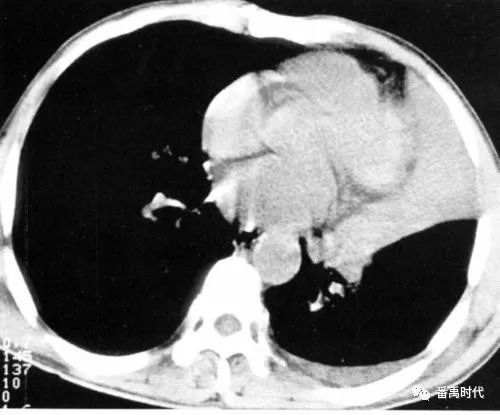
Atelectasis is more common in infants and young children, and there are differences between congenital and acquired forms caused by external compression. Generally, the mortality rate of congenital atelectasis is extremely high, because the alveoli cannot fill with gas at birth, breathing becomes difficult, cyanosis appears, and death occurs from severe hypoxia. In acquired cases, the main factor is the severity of the atelectasis, that is, whether one lung segment or multiple lung segments are affected, or whether one lung lobe or multiple lung lobes have reduced air content or even collapse. The larger the extent of the atelectasis, the greater the severity.
In addition, because atelectasis is difficult to treat, treatment should first completely eliminate the cause, namely compression or obstruction within a bronchus or bronchiole. If it is not obstructive, there may be causes such as surfactant deficiency or abnormalities in the neuromuscular structure of the terminal airways of the lung. On X-ray imaging, the affected area of atelectasis shows reduced radiolucency, and nearby bronchi, pulmonary blood vessels, and pulmonary interstitium tend to gather toward the atelectatic area. In some cases, consolidation shadows also appear in this area, while compensatory emphysema appears in other areas.
A very small number of patients with congenital atelectasis in whom already inflated lung tissue collapses will survive. Congenital and acquired pulmonary collapse is one of the refractory pneumothoraces, with an effective rate of about 63%, and the cure rate is extremely low. Congenital pulmonary collapse is even more difficult to treat and severely affects quality of life and lifespan. Obstruction within a bronchus or bronchiole can also easily lead to atelectasis. These causes include foreign bodies, bronchial lesions, bronchial wall spasm, and blockage by thick secretions within the lumen.
Foreign body blockage from obstruction within a bronchus or bronchiole can cause lobar or segmental atelectasis in the bronchus or bronchiole, and occasionally foreign bodies blocking the trachea or main bronchus cause bilateral or unilateral atelectasis. Tracheobronchial lesions may include tracheobronchomalacia, airway stenosis, submucosal tuberculosis of the bronchial mucosa, tuberculous granulation tissue, diphtheritic pseudomembrane extending to the trachea and bronchi, and bronchiectasis.
Among the causes of bronchial wall spasm and blockage by thick secretions within the lumen, first, the respiratory tract of infants and young children is narrow and easily obstructed. Second, pulmonary inflammation such as pneumonia, bronchitis, pertussis, measles, and bronchial asthma can easily cause bronchial smooth muscle spasm, bronchial mucosal swelling, and blockage by thick secretions, leading to atelectasis, and it mainly becomes apparent in winter and spring. Therefore, atelectasis mainly occurs in winter and spring, and winter diseases can also be treated in summer, but this still needs to be closely combined with the patient's constitution and other factors.