Key Technical Points for Pest and Disease Control in Red Tip Photinia
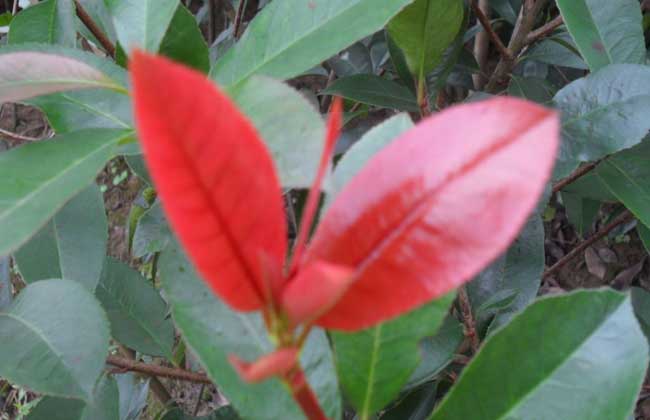
Red tip photinia is the collective name for hybrids of the genus Photinia in the rose family (Rosaceae), named for its bright red new shoots and young leaves. It has many cultivated varieties. Common diseases include leaf spot, anthracnose, and gray mold, while common pests include aphids, scale insects, and longhorn beetles. Let us take a look together at the common pest and disease control techniques for red tip photinia!
Gray Mold
[Damage characteristics] Gray mold mainly damages the young twigs, young stems, leaves, flowers, and fruits of red tip photinia. The lesions begin as small water-soaked spots, then expand into large gray patches with irregular concentric rings, and finally the affected areas become covered with a gray mold layer until they necrose or rot.
[Control methods] Strengthen cultivation management at ordinary times, take care to drain standing water, reduce humidity, and remove diseased plant debris. Before the rainy season arrives, spray 50% carbendazim at 800 times dilution for prevention. During the disease period, spray 50% zineb at 800 times dilution or thiophanate-methyl at 800 times dilution for control.
Leaf Spot
[Damage characteristics] Leaf spot mainly damages the leaves and stems. When leaves are affected, brown spots first appear, then gradually expand into angular lesions. The lesions are reddish-brown on the upper surface of the leaf and yellowish-brown on the underside. When the disease is severe, the lesions may merge into patches, and the entire plant may even die.
[Control methods] In winter and spring, in conjunction with tending and management, sweep up fallen leaves in a concentrated effort to eliminate overwintering pathogens. In March and early June, spray 1% equal-amount Bordeaux mixture once every 10 to 15 days for prevention. When the disease occurs, spray 50% carbendazim at 300 to 400 times dilution or 50% thiophanate-methyl at 300 to 400 times dilution for control.
Anthracnose
[Damage characteristics] Anthracnose is a major disease that occurs in red tip photinia during the cutting propagation period. It is more likely to occur under conditions of high temperature and high humidity with poor ventilation, and it easily causes red tip photinia to root without sprouting.
[Control methods] After cuttings are finished, constantly monitor the humidity and temperature of the cutting bed, maintain good ventilation, and remove severely affected leaves. In the early stage of the disease, spray 70% thiophanate-methyl wettable powder at 500 to 1000 times dilution or 65% zineb wettable powder at 600 times dilution for control, then spray again after 7 to 10 days.
Aphids
[Damage characteristics] Aphids, also known as greenflies or honeybugs, gather as adults or nymphs on the young buds, tender stems, or young leaves of red tip photinia, using their needle-like piercing-sucking mouthparts to feed on the plant's sap. This causes leaves to curl and crinkle toward the underside, directly affecting the growth and ornamental value of red tip photinia. They can also trigger sooty mold. Their reproductive capacity is large, and they easily cause disasters in dry seasons.
[Control methods] Generally, when temperatures rise in spring, spray 10% omethoate emulsion at 1000 times dilution, malathion emulsion at 1000 to 1500 times dilution, or dichlorvos emulsifiable concentrate at 1000 times dilution. During the peak aphid season from March to October, use pesticides such as imidacloprid or pirimicarb, spraying once every 7 days to prevent adults from causing widespread damage.
Scale Insects
[Damage characteristics] Scale insects mainly include white prunicola scale and others, damaging the terminal buds and young twigs of red tip photinia. When the infestation is severe, they can cover entire branches and leaves, can cause sooty mold, and affect ornamental value.
[Control methods] Before bud break in spring, spray 10% to 15% diesel oil emulsion for prevention. When the infestation occurs, spray 40% omethoate at 1000 times dilution, or 2.5% deltamethrin at 2500 times dilution, 20% fenpropathrin emulsifiable concentrate at 2500 times dilution, or 40% methidathion emulsifiable concentrate at 1500 times dilution, all of which can achieve good control results.
Longhorn Beetles
[Damage characteristics] Longhorn beetles mainly bore into the branches and trunks of red tip photinia during their larval stage. The damage lasts for a long period, affecting the plant's growth and development, weakening tree vigor, allowing pathogens to invade, and making the tree prone to wind breakage. When the damage is severe, the entire plant dies, seriously affecting ornamental value.
[Control methods] Longhorn beetle control is mainly carried out through a combination of measures: whitewashing tree trunks to deter adults from laying eggs, manually catching and killing eggs, larvae, and adults, and injecting pesticide solutions into trunk borer holes. Pesticide options include 50% malathion emulsifiable concentrate, 50% dichlorvos emulsifiable concentrate, 40% omethoate emulsifiable concentrate, and 2.5% deltamethrin emulsifiable concentrate at 200 times dilution.