How to Propagate Calla Lilies
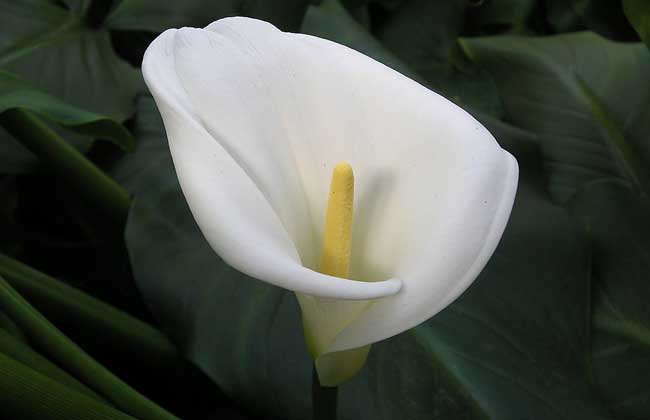
Calla lilies are mainly propagated by dividing the tubers. After the plant enters dormancy, peel off the small tubers around the main tuber and plant them separately. They can also be grown from seed; sow the seeds in pots as soon as they mature, with an optimum germination temperature of around 20°C. Let's take a look at how to propagate calla lilies below!
Growing Calla Lilies from Seed
Calla lilies are mainly grown from seed by sowing in pots indoors, with an optimum germination temperature of 18-24°C. Seeds germinate 15-20 days after sowing, and seedlings need 3-4 years of growth before they flower.
Propagating Calla Lilies by Division
1. Tuber division method: At the end of May, when calla lilies begin to enter dormancy, reduce watering to encourage them to go dormant faster. Once all the leaves have turned yellow, take out the tubers and store them in a well-ventilated, cool place. When autumn arrives, plant them in grades according to tuber size.
2. Plant division method: Calla lilies usually enter dormancy after flowering in spring due to rising temperatures. The plant division method keeps them from going dormant by placing them in a well-ventilated spot to continue growing. When autumn arrives, divide the plants while repotting, splitting each calla lily into 2-3 pots according to plant size.
Common Cultivated Varieties of Calla Lily
Common cultivated varieties of calla lily include the red calla, yellow calla and silver-spotted calla, distinguished by the color of the spathe.
1. Red calla lily: The red calla lily is a relatively short plant with narrow, hastate leaves and a peach-red spathe.
2. Yellow calla lily: The yellow calla lily has hastate, bright green leaves with semi-transparent white spots, a relatively long petiole and a yellow spathe.
3. Silver-spotted calla lily: The silver-spotted calla lily has silvery-white spots on its leaves, a short petiole and a creamy-white spathe.