What are the planting conditions for agarwood trees? A full analysis of the environmental requirements
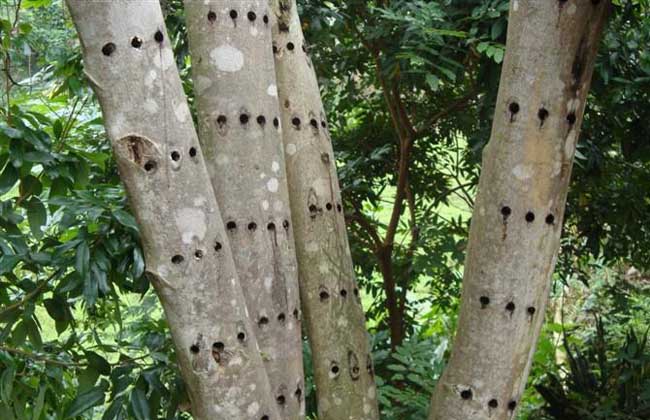
The agarwood tree is a tropical and subtropical evergreen tree, one of the world's rare and precious medicinal plants. It is a Class II nationally protected plant and also an internationally protected timber species. It likes to grow in low-altitude mountain areas, hills, and open sunny spots in sparse forests along roadsides. Now let us take a look at what the planting conditions for agarwood trees are!
Temperature conditions
The agarwood tree prefers a high-temperature environment and requires an annual average temperature above 20°C, with the highest temperature reaching above 37°C, in order to grow and develop well. The lowest temperature is 3°C, and it can also adapt to brief low-temperature frost in winter.
Light conditions
Agarwood tree seedlings are shade-tolerant and not resistant to exposure to the sun, but the shade must not be too heavy; 40%-50% is suitable. Once mature, it prefers light, and light can ensure normal flowering and fruiting, plump and robust seeds, and promote the formation of high-quality agarwood.
Soil conditions
The agarwood tree can grow in acidic sandy loam, yellow loam and red loam. In the wild state, it grows slowly and poorly in barren clay, but compared with an environment with good water and fertilizer conditions, the wood is firmer, the fragrance is richer, the resin is abundant, and it is easy to form agarwood, with better quality. Under conditions of deep, fertile soil, however, the wood and bark tissues are loose, less resin is secreted, very little agarwood forms, and the quality is also poor.
Moisture conditions
The agarwood tree prefers moist conditions and is drought-tolerant, requiring an annual rainfall of 1500-2000 mm. In a relatively moist environment, Aquilaria sinensis grows fast in both height and thickness, while on dry, barren slopes it grows poorly, but can still survive.