How to Prune a Kalanchoe? A Complete Guide to the Correct Pruning Method
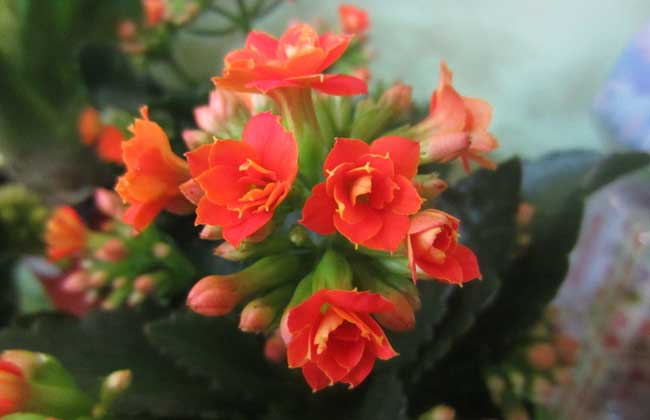
Pruning a kalanchoe is not strictly necessary, but proper pruning can give the plant a nice shape, keep it short, sturdy and full, and produce more flowers. The pruned branches can also be kept for propagation by cuttings. In fact, pruning a kalanchoe is very simple. Let's take a look together at the pruning methods for kalanchoe!
When to Prune Kalanchoe
The first pair of leaves below the flower stem has no value worth keeping at all, and should be cut off together with the flower stem promptly and without mercy! The second pair of leaves below the flower stem should be kept for a while; generally, once 2 new shoots appear and grow to 6 to 8 cm, they can be cut off to propagate new plants by cuttings. The segments from the 2nd to the 4th pair of leaves below the flower stem are the best sections for cuttings, and can be used for cutting, water culture or sand culture according to your own habits.
Pruning Methods for Kalanchoe
1. Cut off the second pair of leaves below the flower stem together with the flower stem; after some time new shoots will grow and it can bloom a second time.
2. Do a major pruning every year after the flowers fade; for pruning done before July, only about 3 cm of stem needs to be kept, and everything else can be cut off (no leaves need to be kept at all).
3. When pruning, repot and fertilize at the same time, and the pruned branches can be used for cuttings. Before long the kalanchoe will grow many tender shoots; afterward keep the plant within 10-15 cm, and remove any parts that exceed this.
How to Make Kalanchoe Bloom More
1. The pot should not be too large: many gardening enthusiasts mistakenly believe that the larger the pot, the more growing space the plant has, the better it should grow, and the more abundantly it should bloom. Actually, this is not the case. The reason is simple: a large pot means a large space, the roots grow and spread freely, needlessly consuming a large amount of nutrients, while the nutrients used for growing buds and flower buds are reduced, resulting in sparse, narrow, small leaves, fewer flowers and smaller blooms.
2. The plant should not be too tall: after the summer dormancy, autumn is the vigorous growth period for kalanchoe. A substantial pruning should be carried out before the Start of Autumn to make the plant short and sturdy and promote branch development. Combined with fertilizing, this ensures good plant growth. With more branches, there will be more flower heads later.
3. Fertilizer should not be too concentrated: sufficient fertilizer and water is certainly the foundation for abundant flowers and lush leaves, but many gardening enthusiasts, partly to save effort and partly because they overestimate the kalanchoe's tolerance, often apply a large amount of concentrated fertilizer all at once, and the result is just the opposite. The kalanchoe either develops a large number of yellow leaves or becomes listless because the soil solution concentration is too high.