Dragon fruit about to hit peak production, Council of Agriculture offers early guidance and promotes production-sales platform and planting registration
Text by Lin Pei-chun, upstream/downstream reporter
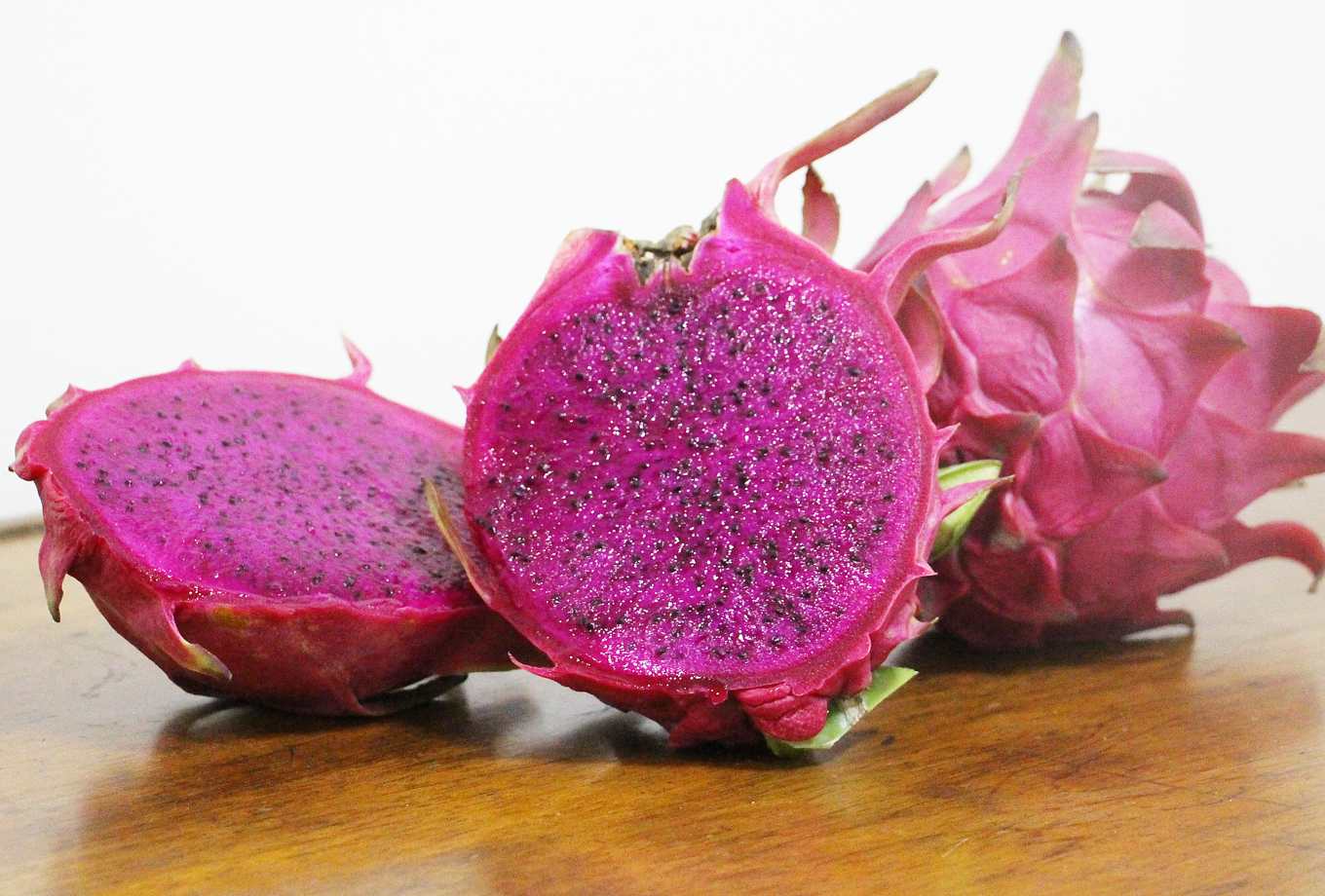
This week marks the start of the dragon fruit season. To avoid an imbalance between production and sales, Council of Agriculture Minister Lin Tsung-hsien said response measures will be launched early, and action will not wait until floor prices appear. The Council of Agriculture also said that since this week it has been guiding processing plants and cutting operations in dragon fruit production areas to reduce the flow of substandard fruit into the market and its impact on overall prices.
Lin Tsung-hsien: the Agriculture and Food Agency should precisely control the quantity of fruit sent to the Taipei Agricultural Products Marketing Corporation
However, Lin Tsung-hsien stressed that the monitoring mechanism cannot depend on price alone; it also needs to take output into account and have supporting measures. For example, the Agriculture and Food Agency should precisely control the quantity of fruit shipped each day to the Taipei Agricultural Products Marketing Corporation market. If supply is found to be too high, guidance should be provided early for fruit from production areas to be sent to cold chain systems or processing. In addition, Lin also asked farmers' associations to carry out screening in production areas first, so that substandard fruit does not enter the auction market and drag down overall prices, and suggested that substandard fruit from various places be sent directly to processing plants for absorption.
Lin Tsung-hsien also proposed adjusting the market structure and distribution channels, suggesting that farmers cooperate with farmers' associations and production cooperatives through contract farming, which can better stabilize farmers' production. At the same time, he hopes to break the past pattern in which fruit was mostly concentrated among wholesalers and Taipei Agricultural Products Marketing Corporation auctions, by adding electronic platforms, expanding channels, and encouraging state-owned enterprises to purchase more seasonal fruit.
Establishing a production-sales platform and planting registration
But how should the rush to plant caused by farmers' expectations be handled? Lin Tsung-hsien said one way is to establish a "production-sales information platform," so that "before farmers go to buy seeds, fertilizer and pesticides, they will know how many people are growing this crop this year." The second is "planting registration," which makes it easier for the government to provide production guidance, such as staggering production periods or advising farmers to switch crops, so as to avoid overproduction as much as possible.
However, the imbalance between production and sales of Taiwan's fruit is a long-term problem. The Council of Agriculture has called for "increasing exports, processing and direct sales promotions by 10% each," hoping to reduce the frequency of production-sales imbalances. Lin explained that Taiwan's domestic market is not large, so export quantities need to be increased, which means the competitiveness of agricultural products must be raised. Agricultural research and extension stations will strengthen guidance to improve the quality of agricultural products in the future, and farmers are also advised to apply for production traceability and build their own brands, so that Taiwan can move toward specialized, market-oriented production. Lin estimates that the goal of a stable production-sales mechanism can be achieved within three years.