What are the propagation methods for tulips?
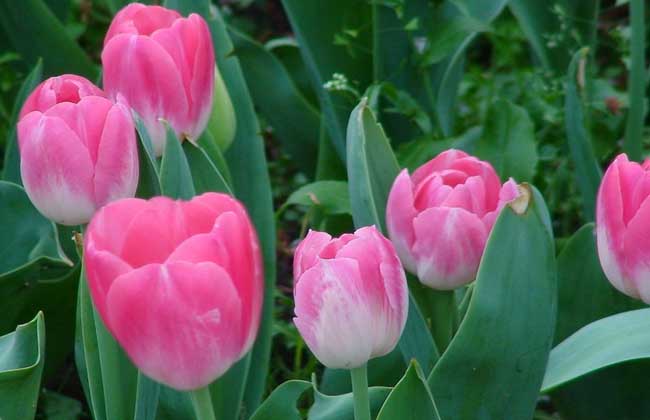
Tulip propagation methods include bulb division, seed propagation and tissue culture. The latter two methods take a long time to propagate (seed propagation takes 5 years to bloom) and are costly. Apart from special uses such as breeding new varieties and virus elimination, the bulb division method is generally used. Let's take a look below!
Tulip seed propagation
Seed propagation can be used in crossbreeding. The seeds do not have dormancy, but germination requires low temperatures. The suitable low temperature is around 5C; germination is delayed above 10C, and no germination occurs above 25C. Under suitable conditions, the germination rate can reach over 90%. After sowing, they can germinate in 40 to 45 days. After germination, the seedlings at 13C for about 70 days can be moved to 23C, which can speed up the maturation of the daughter bulbs. In the Nanjing area, cold-frame autumn sowing in the open field in November, using the natural low temperatures of winter, germinates in mid-February of the following spring. From germination to harvesting the daughter bulbs takes about 135 days. When the above-ground part goes dormant in summer, dig up the small bulbs and store them at 20C to 25C, then plant them in autumn. Grown this way, they bloom after 4 to 5 years.
Tulip bulb division propagation
1. Soil selection: Tulips like loose, well-aerated sandy loam. For bulb division propagation, choose a spot with good drainage, plenty of sunlight and fertile soil, with a pH between 6.6 and 7 being best. Before planting, prepare the soil. Before preparation, apply 8-10 cubic meters of decomposed farmyard manure per mu, then rotary till with a tractor so that the soil and farmyard manure are mixed evenly.
2. Bulb planting: In autumn, when the soil temperature at a depth of 15 cm drops to around 9°C, plant the small bulbs at a spacing of 7 cm × 11 cm, with a soil cover thickness 4-5 times that of the bulb. Water immediately after planting, then cover with rice straw to help the bulbs overwinter in the soil. In early March, remove the covering, and the new shoots emerge and begin to grow.
3. Disease prevention and fertilizing: After the soil thaws in early spring, the new shoots sprout and emerge. Spray once a week to prevent diseases and pests, especially aphids. Apply fertilizer once every two weeks, using a 2-5% liquid fertilizer of calcium nitrate or potassium nitrate combined with watering to drench the roots, until watering is stopped 4 weeks before dormancy.