What are the growing habits of marigolds? A detailed guide
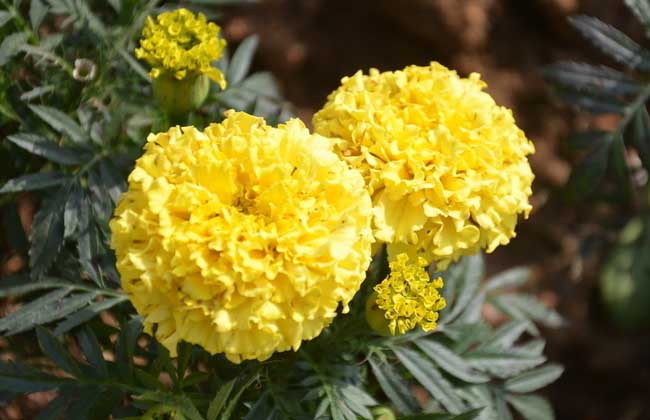
The marigold (Tagetes erecta) originates from Mexico and prefers a warm, humid environment with plenty of sunlight. The optimal growing temperature for marigolds is 15-20°C, and the winter temperature should not fall below 5°C. When summer temperatures exceed 30°C, the plants grow leggy, the stems and leaves become loose, and flowering decreases. Below 10°C, they can still grow but at a slower rate, and the growth cycle is prolonged.
Marigolds prefer moisture but are also drought-tolerant. Excess water, especially in summer, causes vigorous stem and leaf growth, which affects plant form and flowering. When cultivating marigolds during high-temperature periods, water must be strictly controlled, and slightly dry conditions are preferable.
Marigolds are light-loving plants, and ample sunlight is very beneficial to their growth, producing compact plants and vivid flower colors. With insufficient sunlight, the stems and leaves become soft and slender, and the flowers are fewer and smaller. Marigolds are relatively sensitive to day length, and flowering can be advanced through short-day treatment (9 hours).
Marigolds are not demanding about soil, but fertile, well-drained sandy loam is best.