Is Marigold Toxic? Let's Learn About Its Toxicity
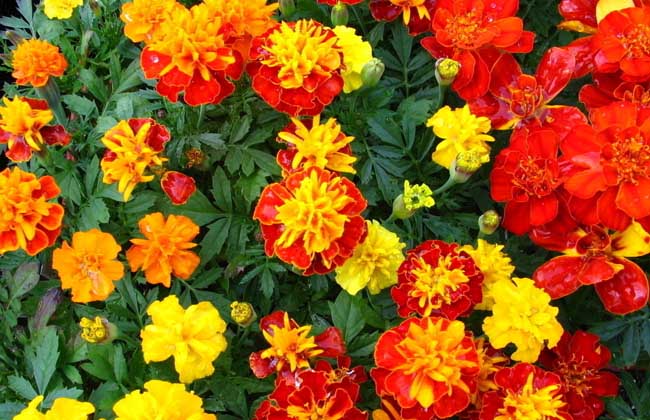
Marigold is an annual herbaceous plant of the genus Tagetes in the Asteraceae family, also known as stinking roger, honeycomb chrysanthemum, stinking chrysanthemum, thousand-life chrysanthemum, and others. It is native to Mexico and is now cultivated worldwide, usually sown in spring. Because of its large flowers and long flowering period, it is often used for flowerbed landscaping. Many friends worry about whether marigold is toxic, so let's take a look together below!
Is Marigold Toxic?
Marigold is non-toxic. Not only is marigold non-toxic, but it can also help clear heat and toxins. It is especially rich in lutein, which can both act as an antioxidant and provide beneficial pigments to the macular region of the eyes, filtering blue light and helping to improve vision and clear heat.
The Flowering Period of Marigold
Marigold is sown in open fields in April, with a flowering period from June to October. It is currently often used as an off-season flower supply, and greenhouse cultivation has extended its flowering period; generally, it blooms 70-90 days after sowing.
The Efficacy and Effects of Marigold
[Source] The inflorescence of the Asteraceae plant marigold.
[Nature and Flavor] Cool in nature, bitter with a slight pungent taste.
[Indications] Calms the liver and clears heat, dispels wind, and resolves phlegm. Treats dizziness and vertigo, wind-fire eye pain, infantile convulsions, cold and cough, whooping cough, acute mastitis, and mumps.
[Usage] Internal use: decoct in water, 1-3 qian. External use: decoct in water for fumigation and washing.
1. To treat whooping cough: 15 honeycomb chrysanthemum flowers. Decoct in water and take with brown sugar.
2. To treat bronchitis: 1 liang of fresh honeycomb chrysanthemum, 3 qian of water sunflower, 2 qian of aster. Decoct in water and take.
3. To treat mumps and mastitis: Grind honeycomb chrysanthemum, Paris polyphylla, and honeysuckle together into powder, mix evenly with rice vinegar, and apply externally to the affected area.
4. To treat toothache and eye pain: 5 qian of honeycomb chrysanthemum. Decoct in water and take. (Selected prescriptions from "Common Folk Herbal Medicines of Kunming")