Is Agave Poisonous? A Detailed Explanation of Agave's Toxicity
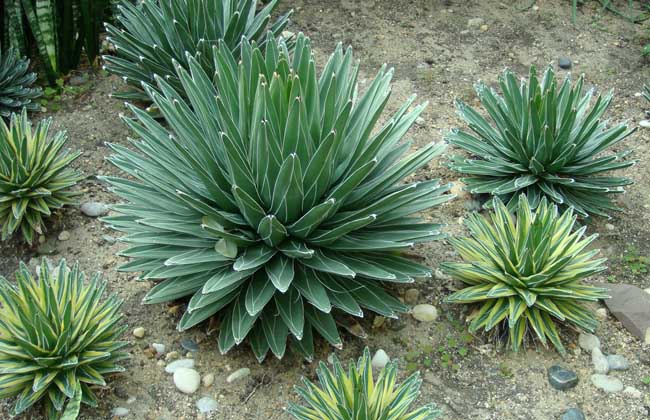
Agave, also known as the century plant, agave palm, and sisal hemp, is native to Mexico. Because its leaves are firm and it stays evergreen year-round, it is one of the important materials for landscaping in the south, and it has a strong ability to remediate decoration pollution. In fact, agave is poisonous. Let's take a look together below!
Is Agave Poisonous?
The sap of agave is poisonous. Agave is a poisonous plant included in the Chinese Plant Atlas Database. Its toxicity lies in the poisonous leaf sap, which can irritate the skin and produce a burning sensation. After people with skin allergies come into contact with the sap, it can cause burning pain, itching, red rashes, and even blisters, and it also has a considerably toxic effect on the eyes.
Can Agave Be Eaten?
Agave is poisonous and should not be eaten carelessly. When rabbits were given 100 milliliters of leaf sap orally every day, on the third day they showed poisoning symptoms such as loss of appetite, reduced activity, and hind limb paralysis. If left untreated, it can be fatal. Necropsy examination showed gastric mucosal congestion and liver ischemia. After sheep eat it, symptoms such as otitis media, cyanosis, difficulty breathing, and increased heart rate can appear. It can also poison fish.
Is Tequila Poisonous?
Tequila is not poisonous. What is used to brew tequila is its bulbous rhizome, while what is poisonous is the sap in its leaves. It is very common for the plant itself to be poisonous while the part people eat is not. For example, tomato leaves are poisonous, so when tomatoes were first brought back to Europe, people ate the leaves and were poisoned, and one person was even beheaded for this. Then for a long time in England, tomatoes were treated as ornamental plants, until someone began to eat the fruit.