How to Plant Impatiens Seeds? Detailed Planting Methods and Steps
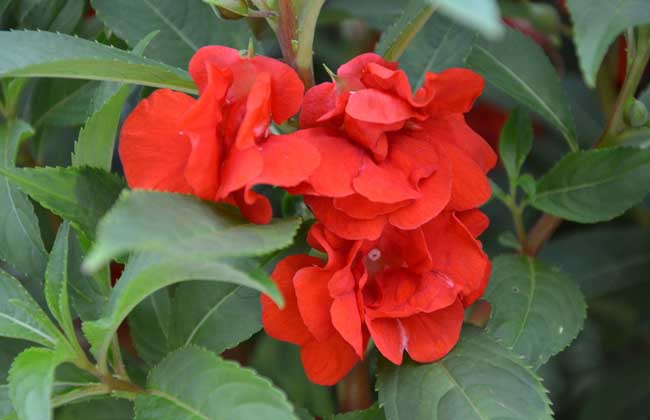
Impatiens, also known as henna, has a strong antifungal effect and is a natural raw material used for dyeing nails. Impatiens has relatively strong vitality and comes in diverse colors, so many friends like to grow impatiens. Want to know how to plant impatiens seeds? Let's take a look together below!
The sowing period for impatiens is generally in spring, from March to April. The editor suggests that it is best to sow in April, after the temperature rises. Find a piece of loose, fertile, slightly acidic soil, or find a container such as a flower pot, fill the container with about 80% loose soil, and keep a small portion of dry soil for later use.
In the container, sprinkle a little water evenly, but do not make it too wet (spray a few drops, just slightly moist). Sprinkle the prepared impatiens seeds on top of the soil; they do not need to be spread too densely, just keep an appropriate distance. After sowing the impatiens seeds, cover the seeds with the reserved dry soil. The editor reminds you that the layer of dry soil on top only needs to be very thin, just enough to cover the seeds; do not spread it too thickly.
In the early stage, you can first cover the top of the flower pot with a layer of plastic film, as this helps the impatiens seeds grow. If the weather is warm, it is also fine not to cover with plastic film. Place the flower pot in a place where it can receive sunlight, but prevent excessively high temperatures and exposure to strong sun. Water once each morning and evening, and avoid watering the impatiens seeds at noon. The amount of water should not be too much.
After the impatiens seeds germinate, transplanting is needed. I generally wait until the impatiens has grown 4 leaves before transplanting. During transplanting, try to avoid exposure to strong sun, and transplanting should not be too densely spaced; a plant spacing of about 30 cm is sufficient.
After planting in place, water promptly and keep the pot soil moist regularly, but there should be no water accumulation. Also note that the soil must not remain too wet for a long time, otherwise the roots and stems are prone to rot.