What is the reason for the rich and varied colors of leaves?
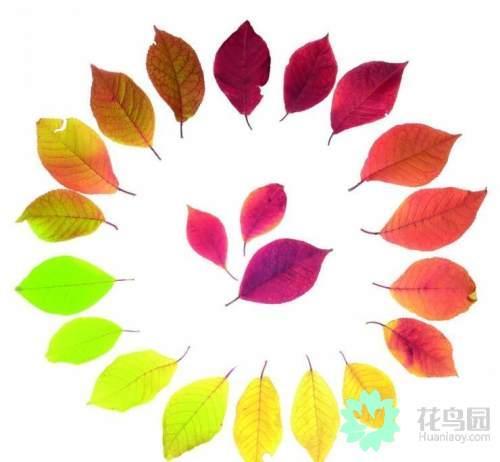
Plant leaves are green most of the time. In autumn, some leaves turn yellow, and others turn red or purplish-brown. No matter which color it is, it is never a single pigment that plays the decisive role; sometimes it is the combined effect of multiple pigments, and sometimes it is the joint masterpiece of pigments and sugars.
Green
In short, the green in leaves is caused by chlorophyll. However, chlorophyll is divided into 6 types, a through f, and most green leaves are definitely not created by just one kind of chlorophyll. For example, chlorophyll a is blue-green, and chlorophyll b is yellow-green. The two are mixed at a ratio of 3 to 1, and then combined with other pigments, to finally blend the relatively "true" "leaf green" that we see.
Orange
Carotene gives leaves an orange color, but it is not secreted only in autumn; it has always been present in the leaves. It is just that carotene is usually covered by the color of chlorophyll, so it cannot show through. Leaves that are about to wither in autumn are close to orange, but the color is not as pure and bright as that of a carrot; it is often mixed with other pigments, blended with red, purplish-red, or brown.
Yellow
Lutein is the main cause of yellow. Especially in autumn, after chlorophyll decomposes due to falling temperatures, the bright yellow "golden autumn" on the branches is lutein's masterpiece. By the time lutein also begins to decompose and the color fades, golden-yellow leaves sometimes also turn an unsightly withered yellow or brown.
Red
Anthocyanins are the key to leaves turning red. However, the color of anthocyanins is purplish-red. Only when nighttime temperatures drop in autumn do the sugars accumulated in the leaves combine with anthocyanins to form "anthocyanin glycosides," and only then is the red formula complete. Therefore, red leaves are at their reddest only after being touched by frost.