Take cuttings of these flowers now and they will fill your garden in just a few months
Preparing cuttings
Many gardening enthusiasts are particularly fond of the money tree, which is pleasing to the eye and brings wealth, and the rubber plant, which brings harmony and prospers the household.
The editor is one of them.
It is now early July, and temperatures in some parts of the country are basically maintained between 25-30 degrees, which is exactly the suitable time for taking cuttings of these two plants.
So let's share how to take cuttings of the money tree and the rubber plant!
How to take cuttings of the money tree
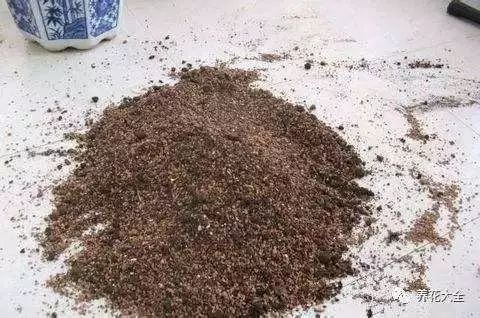
1. Prepare a sufficient amount of clean river sand or vermiculite as the cutting medium.
2. Sterilize a small knife with alcohol or potassium permanganate solution, and cut the cuttings.
3. What we need is a robust one-year-old branch, preferably semi-lignified, cut to a length of 15 cm or slightly shorter.
4. Quickly cut a horseshoe-shaped incision to help it heal and root.
5. Remove leaves to reduce consumption and increase the survival rate; just leave two old leaves and the new leaves at the top.
6. Apply rooting agent to the cut, or soak it in rooting solution for half a day and then wash it clean, insert it into the prepared medium to a depth of about 5 cm, and water thoroughly.
7. Place it in a shaded, ventilated spot, preferably keeping the temperature at around 23 to 25; if evaporation is fast, spray water in the morning and evening to keep it moist.
8. Generally after half a month to less than a month, the money tree begins to root. It is recommended to transplant it after two months into loose, fertile, well-drained potting soil.
How to take cuttings of the rubber plant
1. Choose a one-year-old semi-lignified branch as the cutting. If it is too tender, it easily rots and gets diseased; if it is too old, it does not root easily.
2. Use sterilized scissors to cut off the branch, then apply slaked lime or gypsum powder to the wound and press it for 3 minutes, or dip the wound in boiling water briefly until no white liquid flows out.
3. Remove excess leaves, leaving just two, and put the leaves into a bottle of clean water, changing the water every 4 days. Spray water daily to cool and humidify, and ensure sufficient light. It will root in about 10 days.
4. Transplant the cuttings that have rooted to about 5 mm into river sand or vermiculite that has been sprayed with water in advance to keep it moist, and spray water morning and evening to keep it moist.
5. After about two weeks, it can be transplanted into loose, well-drained soil to establish roots, and cared for in a warm, humid location with bright, indirect light.
Leaf cuttings of the rubber plant
1. You must choose one with a leaf bud at the base or the tree's terminal bud, so that it can grow into a new plant.
2. Cut off half a leaf to reduce evaporation, and apply rooting powder to the base.
3. Insert the leaf into pre-moistened vermiculite or river sand medium, with only the bud tip exposed; keep the temperature between 18 and 25 degrees, maintain a certain humidity, and care for it in bright, indirect light.
4. After one month, check the root system; if the roots are well developed, it can be transplanted into potting soil to settle in, and then it can be cared for normally.