What are the propagation methods for lilies? A detailed explanation of common propagation methods
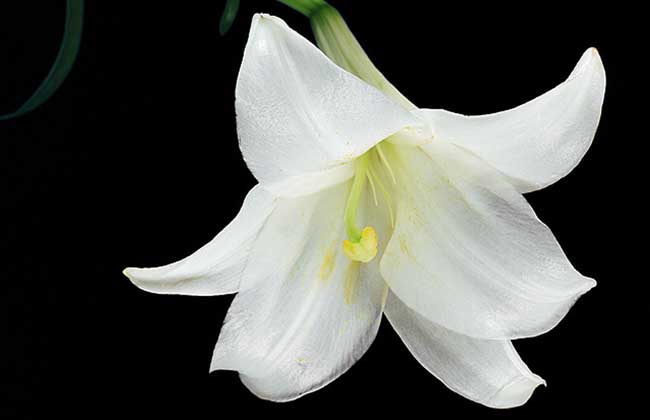
There are 4 propagation methods for lilies: sowing, dividing small bulbs, scale cuttings, and dividing bulbils. You can choose any one according to your needs. In production, there are mainly 3 types: scale propagation, bulblet propagation, and bulbil propagation. Let's take a look together below!
Propagation by sowing
Sowing is sexual propagation and is mainly used in breeding. The method is: harvest seeds in autumn, store them until the following spring, and sow. After sowing, they germinate in about 20-30 days. During the seedling stage, appropriate shading is needed. When autumn arrives, the underground part has already formed small bulbs, and they can be dug out and planted separately. Due to differences among species, some seedling plants bloom in 3 years, while others need many years of cultivation before they can bloom. Therefore, this method is not suitable for home use.
Propagation by dividing small bulbs
If you need to propagate 1 plant or a few plants, you can use the method of dividing small bulbs. Usually, some small bulbs grow around the outer edge of the basal plate of the old bulb. When harvesting lilies in September-October, these small bulbs can be separated, stored in sand indoors for overwintering, and potted in the spring of the following year. After cultivation until September-October of the third year, they can grow into large bulbs and be cultivated into large plants. This method has a small propagation quantity and is only suitable for home pot propagation.
Propagation by scale cuttings
Propagation by scale cuttings can be used for medium-scale propagation. Dig out the bulbs in autumn, break off the plump and thick scales from the old bulb one by one. The base of each scale should carry a small part of the basal plate. Let them dry slightly in the shade, then insert them into a flower pot or shallow wooden box filled with river sand (or vermiculite), with 2/3 of the scale inserted into the substrate. Keep the substrate at a certain humidity. At about 20 degrees, in about 1.5 months, roots will grow from the wounded part of the scale. In winter, the humidity should be kept at about 18 degrees, and the river sand should not be too wet. After cultivation until the following spring, the scales can grow small bulbs. Separate them, plant them in pots, and manage them carefully. After about 3 years of cultivation, they can bloom.
Propagation by dividing bulbils
Propagation by dividing bulbils is only applicable to a few species, such as Lilium lancifolium and Lilium leichtlinii, among others, and this method is often used. The method is: take the small bulbs formed in the leaf axils of the aboveground stem (also called "bulbils"; in summer, when the bulbils have fully grown but have not yet fallen off) and cultivate them. From growing into large bulbs to blooming usually takes 2-4 years. To encourage the production of more small bulbils for propagation, after the plant blooms, press the aboveground stem down and bury it shallowly in soil; divide the aboveground stem into small sections each with 3-4 leaves and shallowly bury the nodes in moist sand, then small bulbils can grow from the leaf axils.