How to grow a cactus so it grows fast? Detailed care tips
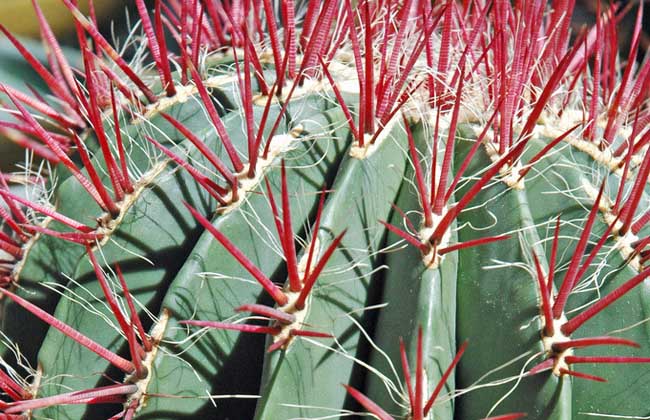
The cactus is a common type of houseplant. With proper care it not only grows fast, but its body is bright and beautiful and it blooms abundantly. Keeping one pot of cactus indoors can replenish oxygen, help you sleep, and even absorb dust. Let's take a look below at how to grow a cactus so it grows fast!
The growth habits of the cactus
The cactus is native to South America and generally grows in hot, dry, fertile soil, in desert areas with little rain. It likes dry conditions and is drought-tolerant, with strong vitality, and is deeply loved by everyone. The cactus's main growing period is summer, which is also its peak flowering period.
How to grow a cactus so it grows fast
1. Temperature: The cactus likes high temperatures and a dry environment. In winter, the room temperature during the day should stay above 20°C, and the nighttime temperature should not be lower than 5°C. Too low a temperature easily causes root rot. In winter, where temperatures in the north are low, watering should be stopped and the plant placed indoors at above 5°C.
2. Light: The cactus requires plenty of sunlight, but in summer it must not be exposed to strong direct sun and needs appropriate shading. For indoor cultivation, artificial light can be used to make it grow robustly.
3. Potting soil: The soil for potted cacti must be well-draining, breathable, lime-containing sandy soil (or sandy loam). You can mix 2 parts sandy loam, 2 parts leaf mold, 3 parts coarse sand, plus 1 part limestone gravel or old lime wall debris discarded when old buildings are demolished. You can also mix 2 parts loam, 2 parts coarse sand, and 1 part each of broken brick, leaf mold and old lime wall debris. When planting, a small amount of broken brick and tile pieces should be placed at the bottom of the pot to keep drainage unobstructed.
4. Planting: Planting in pots is best done in early spring. The flowerpot should not be too large; it is best if it can hold the plant body with a little space to spare. If the pot is too large, the water cannot be absorbed after a full watering, the air in the pot does not circulate, and the roots easily rot. A few taproot types, as well as Lophophora williamsii and giant barrel cactus, require deeper cylindrical pots. Shallow-rooted types such as Mammillaria and Rebutia can use shallower ordinary flowerpots.
5. Repotting method: For potted cacti and succulents, it is best to use highly breathable clay pots, with broken brick pieces placed at the bottom as a drainage layer. The root cluster of cacti is relatively small, so the pot should not be too large; the pot diameter should be close to the diameter of the plant body for a harmonious look. When repotting, part of the old roots should be cut off, and after drying for 4—5 days it can be planted in the pot. It should not be planted too deep; the root crown of the plant body should be level with the soil surface. To avoid root rot, a newly planted cactus should not be watered; just mist it 2—3 times a day. After half a month a small amount of water can be given, and only after one month when new roots have grown can watering be gradually increased.
6. Watering: In summer, the best time to water is early morning; in winter it should be done before noon on a clear day; in spring and autumn, morning or evening is fine. Generally, do not pour water from the top, otherwise over time the plant body will have ugly spots. Under normal circumstances, watering must be thorough, and for this reason the soil must be loosened frequently so the potting soil can evenly absorb enough water.
Notes on growing cacti
1. Home-grown cacti are generally potted. Use 6 parts humus soil, plus 4 parts sand and 2 parts rice husk ash for the growing medium; adding a little bone meal is even better. Mix well and it is ready for planting.
2. In spring and summer, when the cactus begins to grow, fertilize once every half month, preferably with a mixed nitrogen-phosphorus-potassium fertilizer. In addition, provide appropriate shade and never expose it to scorching sun.
3. In winter, move the potted cactus indoors; a room temperature above 5°C is enough for it to overwinter safely. At this time, a home potted cactus can be placed in an indoor glass tank to keep warm through the winter, or covered with a double-layer plastic bag to keep warm through the winter. In winter, the cactus is in its dormant period, and the potting soil should be relatively dry, otherwise the roots easily rot.
4. Cacti are not suited to too much water, otherwise the roots will rot. In spring and summer it is best to water once every one to two months; in autumn and winter, once every two to three months is enough.
5. Place it at home somewhere out of the reach of young children.