Causes and Solutions for Spots on Cactus
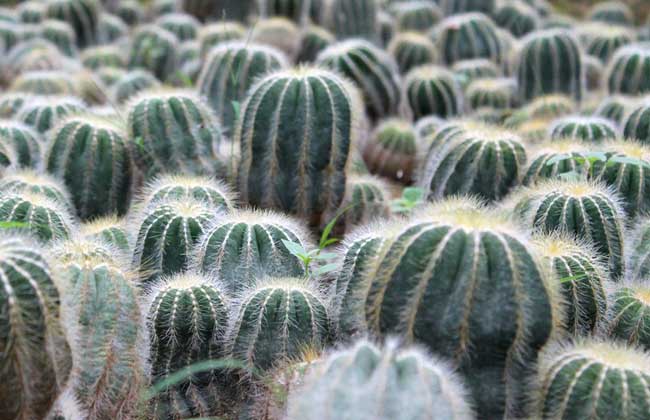
Cactus plants are beloved succulent pets that everyone adores. Even though they are covered in spines, that does not stop people from loving them, and they are also among the easiest succulents to grow. However, during cultivation, spots on cacti are frequently observed, and many people do not know what to do when a cactus develops spots. Let us take a look together below!
Causes of Spots on Cactus
The cause of spots on cactus is generally cactus rust disease (cactus yellow spot disease), mainly triggered by improper routine cultivation and management, such as potting soil that is too poor, insufficient or incomplete nutrients, or excessive use of nitrogen which makes plant tissues tender and soft, or potting soil that is too sticky and heavy, poor drainage, excessive moisture retention, or seedlings and pots kept in shade for long periods, poor ventilation, or sudden cold and heat in winter and spring and other unsuitable environmental factors that lead to rust fungus infection. In addition, when watering, water droplets on the body can also cause bacteria to breed and form spots, and excessive sun exposure can also cause sunburn spots.
What to Do When a Cactus Develops Spots
1. If it is caused by rust disease, you can take the plant out, disinfect the soil with potassium permanganate (or steam it in a pot or heat it in a microwave), and disinfect the body with a diluted solution of carbendazim, chlorothalonil, or thiophanate-methyl.
2. Usually, pay attention to controlling watering. Do not water too much, maintain a well-ventilated environment, and do not place it in direct sunlight for prolonged exposure. When repotting the plant, remove weeds from the pot, shake off the infected old soil, and repot with freshly prepared culture soil. If conditions permit, add a small amount of carbendazim or thiophanate-methyl powder to the culture soil for sterilization. In daily cultivation and management, apply a certain proportion of phosphorus and potassium fertilizer to improve the plant's disease resistance.
3. In the early stage of rust disease, you can spray with 75% chlorothalonil wettable powder at 500 times dilution, or 20% triadimefon emulsifiable concentrate at 2500-4000 times dilution, which has preventive and killing effects on rust disease. You can also choose 80% zineb wettable powder at 600-800 times dilution, or 12.5% diniconazole wettable powder at 6000 times dilution, spraying once every 7-10 days, with obvious preventive effects.
How to Grow Cactus
1. Preparation of culture soil: Cactus is a desert plant and is more suitable for acidic and slightly acidic soil environments. Since the root system of cactus is not well developed, the soil must be rich in organic matter and loose and breathable. Generally, the culture soil is made by using humus soil exposed to the sun for 2-3 days plus phosphorus and potassium fertilizer. Usually, for every 50 kg of potting soil, mix in 1 kg of superphosphate and 0.5 kg of potassium phosphate as base fertilizer.
2. Reasonable water management: The principle of watering is "do not water if not dry, rather dry than wet." Do not water the heart of the cactus. Generally, water once every half month in spring, once a week in summer, and in autumn and winter when growth slows down, watering once every 20-plus days is sufficient. Note that it is best to water flowers with rainwater. If using tap water, it is best to expose it to the sun for two days before use.
3. Reasonable fertilizer management: You can put rice-washing water in a sealed container for half a month, then water with it. This rice-washing water is rich in nutrients and weakly acidic, very suitable for watering cactus. When necessary, apply additional fertilizer. Generally, in spring and summer each year, apply 1% potassium dihydrogen phosphate along with watering, 2 to 3 times a year is sufficient.
4. Control light and placement: Cactus is a plant that greatly loves sunlight, but if the temperature exceeds 36°C, shade treatment is also needed. Cactus is not suitable for long-term placement indoors, as this easily causes the cactus to turn black. Generally, about once a month, place it outdoors in sunlight for 2 to 3 days, then move it back indoors. Note to place it in a sunny spot indoors.
5. Timely repotting and soil changing: Generally, after a cactus grows in a pot for 2 to 3 years, the soil nutrients will indeed be depleted, and the culture soil will also become compacted. At this time, it is time to repot. Be careful to gently remove the cactus from the original pot, place some fragments at the bottom of the new pot to facilitate drainage and ventilation, then fill in the culture soil prepared in step one. When filled to 1/3, press it down with your hand, gently place the dug-out cactus (be sure to cut off rotten roots, old roots, and diseased roots) inside, fill culture soil around it, gently lift the cactus to help the root system spread out, and finally fill in the remaining culture soil and press it firm.
6. Prevent pests and diseases: The main pests and diseases of cactus are anthracnose, canker, scale insects, and whiteflies. The main approach is to control moisture, ventilate in time, and focus on prevention. Carbendazim has a certain effect on anthracnose, and streptomycin is relatively effective against canker, but the main focus should still be on prevention.