What are the functions and benefits of growing hydrangeas?
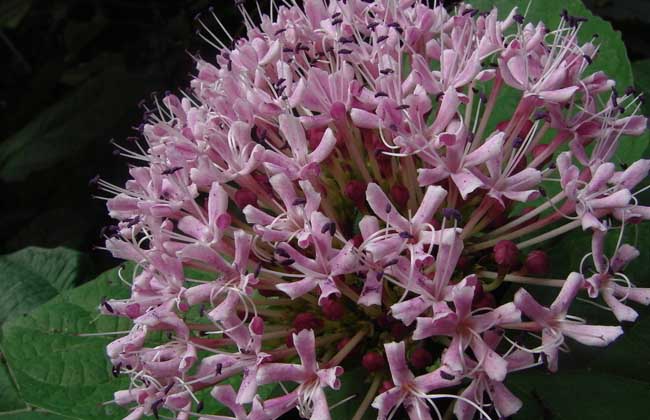
China cultivated hydrangeas relatively early; hydrangeas were planted in the Jiangnan gardens built during the Ming and Qing dynasties. The parks built in the early 20th century also could not do without hydrangeas in their plantings. Modern parks and scenic areas all plant them in large swathes to form landscapes. However, growing hydrangeas in pots for ornamental viewing is still not very common, which brings excellent opportunities for the development and application of hydrangeas. Now let us take a look together at the role of growing hydrangeas!
The ornamental role of hydrangeas
Hydrangeas have large flowers and beautiful colors, and are famous ornamental plants in the Yangtze River basin. In gardens, they can be placed under sparse tree shade and beside tree-lined paths, or planted in patches on shady slopes. Because they do not demand much sunlight, they are most suitable for planting in small courtyards with poor sunlight. Planting two in opposition at a building entrance, planting a row along a building, or planting a clump in a corner of a courtyard are all very ideal. They are even more suitable for planting as flower hedges and flower borders. If the entire flower ball is cut off and placed in a vase indoors, it is also a top-grade decorative item. Hanging the flower ball inside a bed canopy feels even more elegant and delightful.
The feng shui role of hydrangeas
Hydrangea is also known as eight-immortal flower (baxianhua); the origin of the name eight-immortal flower is related to the eight immortals in folk legend. Legend has it that once the Eight Immortals went to the Jade Pool to attend the Peach Banquet, and on their way back they passed by the East China Sea, which alarmed the Dragon King of the East China Sea. The Dragon King sent his sons to the surface of the sea to investigate. One son saw that He Xiangu was beautiful and carried her back to the dragon palace. The other seven great immortals were furious and turned their respective magic treasures into fire dragons, spewing flames that made the seawater boil and churn. The Dragon King of the East China Sea felt unbearably hot in the dragon palace, and the dragon palace shook, so he asked the reason. Afterward he had the son who caused the trouble tied up and had his other sons carry He Xiangu on a dragon sedan up to the surface of the sea to apologize to the immortals and present flowers to the Eight Immortals as an apology. The Eight Immortals brought the flowers presented by the Dragon King to the human world, and people called this flower the eight-immortal flower.
Among the people, hydrangea has always been regarded as an auspicious flower and is called the feng shui master, meaning that it blooms only in households with good feng shui. In fact, the reason is that this flower likes plenty of water and fertilizer, and ordinary people neglect its care or manage it improperly, simply failing to master the conditions for blooming. In ancient times, hydrangea was regarded as an auspicious and festive item, and hydrangea is also known as eight-immortal flower; the Eight Immortals are also a symbol of good fortune and celebration among the people, so hydrangea implies auspiciousness, festivity, blessing, and longevity. From ancient times to the present, hydrangea has also often been used as a pattern in some embroidery, ceramics, and other works in our country. And today, the flower language people give to hydrangea also includes hope, happiness, abundance, reunion, and so on.
Notes on growing hydrangeas
Hydrangea is toxic. Looking at hydrangea, it seems non-toxic, but in fact once it is eaten, symptoms of abdominal pain will appear after a few hours, and typical symptoms of poisoning also include vomiting, pain, and weakness, and in severe cases there will also be rice-like [vomit] as well as convulsions and collapse of the blood circulation in the body. But fortunately, if an antidote has already been developed, then as for whether smelling it will cause poisoning, in fact its odor is not very obvious, and generally as long as you do not eat it, you will not be poisoned.