How to prune hydrangeas? Learn the correct pruning method
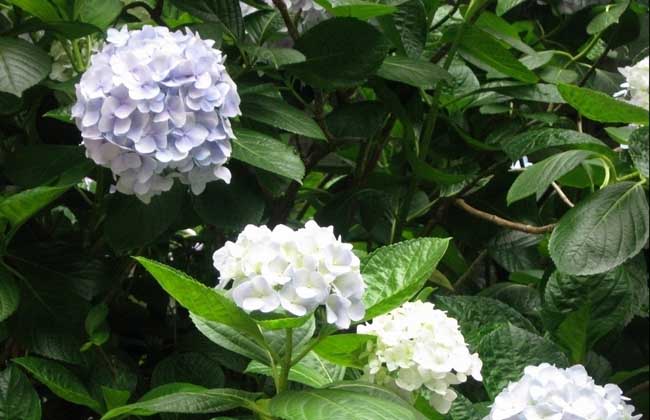
Hydrangeas differentiate their flower buds in autumn, so after the flowers have completely faded in June, pruning should be carried out to promote the sprouting of new branches. To give potted hydrangeas a beautiful crown and more flowers, the plant must be pruned. Let's take a look at the pruning methods for hydrangeas together!
Pruning of hydrangea cuttings
Usually, when the new shoots of a cutting have grown to about 15cm, pinch off the growing tips to encourage new stems to sprout from the root zone. Before the new buds sprout in early spring of the following year, keep 5-7 strong main stems per clump and cut away the thin, unhealthy branches so that nutrients are concentrated on the growth of the new main stems to form flower buds; the plant can then bloom in the third year. However, overly vigorous branches should be pinched in time to slow their growth. After 2-3 years of cultivation, the plant can leave the nursery; when it does, it should be kept with a soil ball, and the strong buds at the base of the stems should be protected.
Pruning of hydrangeas propagated by division
For plants propagated by division, once they have resumed growth, the first step is to tidy up any irregular branches so that the plant has an orderly arrangement of high and low growth. If the number of stems in the clump is insufficient, promptly support the strong buds at the base of the stems so that the clump becomes a new plant with 5-7 main stems. Old stems within the clump should be renewed in the third year, keeping the new plant forever youthful.
Pruning of old hydrangea branches
Hydrangeas generally bloom on two-year-old strong branches. After flowering, the old branches should be cut short, keeping just 2-3 buds, to limit the plant from growing too tall and to encourage new shoots. After autumn, cut off the tips of the new shoots to stop the branches from growing, which helps them survive the winter. With this kind of pruning, the plant's shape becomes quite graceful, greatly enhancing its ornamental value.
Repotting and soil changing for hydrangeas
Potted hydrangeas generally need to be repotted and given fresh soil once a year. Repotting and soil changing are best done in early March. The new soil is prepared with a ratio of 4 parts leaf mold, 4 parts garden soil and 2 parts sand, with an appropriate amount of decomposed cake fertilizer added as a base fertilizer. When repotting, the plant's root system should be pruned, cutting away rotten roots, decayed roots and overly long root fibers. After the plant is moved into the new pot, firm the soil and water it thoroughly, then place it in a shaded spot for about 10 days before moving it outdoors for normal care.