When Does the Gardenia Bloom? A Detailed Introduction to Its Blooming Period
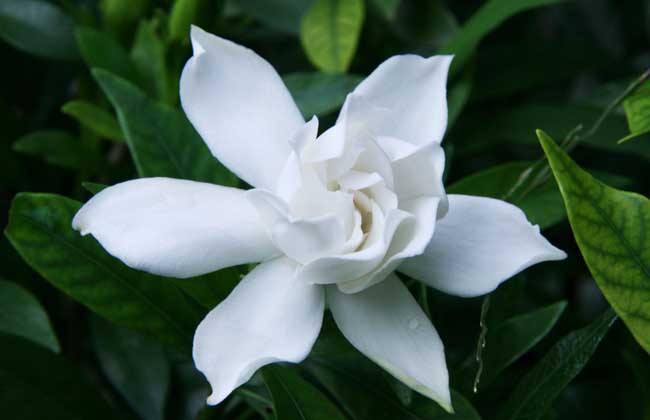
The gardenia is native to China and is cultivated in most parts of the country, concentrated in many areas of East China, Southwest China and Central South China. It is an important ornamental garden plant, but do you know when the gardenia blooms? And what are the reasons a gardenia fails to bloom? Let's take a look together below!
When does the gardenia bloom?
The gardenia prefers a warm, humid, semi-shaded environment, tolerates shade slightly, and fears strong direct sunlight. Its blooming period is fairly long, flowering continuously from May-June through to August, with the fruit ripening period in October. However, a single flower only lasts 4-5 days. If fertilizer is applied generously, there will be more flower buds and the blooming period will be a bit longer.
The blooming conditions for the gardenia
The gardenia prefers a growing environment with humid air, ample light and good ventilation. In summer, direct sunlight should be avoided; it is best kept in a slightly shaded spot. It tolerates semi-shade, fears waterlogging, and is fairly cold-tolerant. The most suitable growing temperature is around 16°C, and in winter the temperature must not fall below 0°C; if it is too low, the plant will enter a dormant period. In Northeast China, North China and Northwest China, it can only be grown as a potted greenhouse flower.
The gardenia should be planted in loose, fertile, well-drained, slightly clayey acidic soil; it is a typical acid-loving flower.
What are the reasons a gardenia fails to bloom?
1. Improper water and fertilizer: Once water and fertilizer are excessive, the plant will grow leggy, and without enough nutrients for reproductive growth, flower bud formation will be affected, leading to no blooming or very few blooms; some flowers that do open may even drop immediately. During the flower bud differentiation stage, special attention should be paid to the balance of phosphorus and potassium fertilizers, such as a 0.2% potassium dihydrogen phosphate solution, which helps flower bud formation and bud development; applying fertilizer that is too concentrated during the bud stage, or watering inconsistently, can also cause flowers and buds to drop.
2. Unsuitable light: The gardenia prefers shade, so special attention must be paid to light that is too strong in summer and too weak in winter; both excessive and insufficient light will affect the gardenia's blooming.
3. High soil alkalinity: The gardenia prefers acidic soil. If the soil used to grow gardenias has high salt and alkali content, it will cause the plant to turn yellow and ultimately affect blooming.
4. No pruning or shaping: When gardenia branches are messy, a large number of superfluous branches consume a great deal of nutrients, and branches that are too dense affect photosynthesis; both are important causes of failure to bloom.
5. Severe pests and diseases: This, I believe, everyone can understand; severe pests and diseases will inevitably cause flowers and buds to drop.