What to Do When the Roots of Alocasia macrorrhizos Rot? Cause Analysis and Solutions
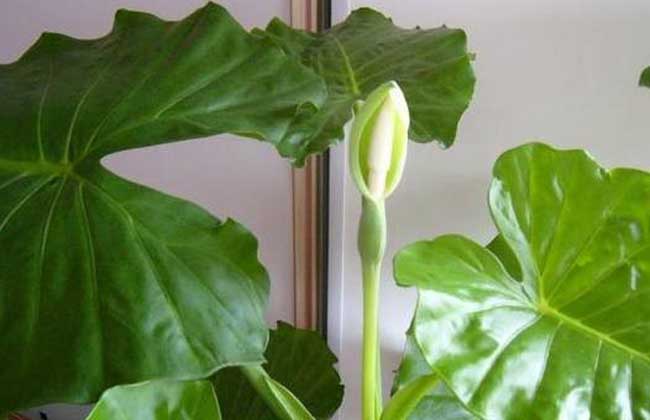
The cultivation methods for Alocasia macrorrhizos can be divided into two types: soil cultivation and water cultivation. No matter which cultivation method is used, Alocasia macrorrhizos is very easy to keep alive, but if it is not cultivated carefully, problems such as root rot can still occur. So what should you do when the roots of Alocasia macrorrhizos rot? Next, the editor will introduce the causes of root rot in Alocasia macrorrhizos and the solutions!
Causes of Root Rot in Alocasia macrorrhizos
1. Root rot in soil-cultivated Alocasia macrorrhizos is mainly caused by potting soil that is too wet. When the potting soil is too wet, the rhizomes of Alocasia macrorrhizos are very prone to rotting. The reasons for the potting soil being too wet may be that you watered too much, causing water to accumulate in the pot, or that the soil is highly clayey, has poor air permeability, and easily accumulates water itself.
2. Root rot in water-cultivated Alocasia macrorrhizos often occurs mainly because the stem tissue of Alocasia macrorrhizos is relatively loose. If the water quality is very poor, it may cause root rot and stem rot. Also, when growing Alocasia macrorrhizos hydroponically, do not place the rhizome in the water; instead, place the roots in the water. In addition, some roots should be left so they can contact the air, which helps the roots breathe. With the rhizome of Alocasia macrorrhizos outside, half of the grown roots are in the water and half are in the air, which is beneficial for root respiration.
What to Do When the Roots of Alocasia macrorrhizos Rot
1. Solution for root rot in soil-cultivated Alocasia macrorrhizos: pull the Alocasia macrorrhizos up, cut off the rotten roots, and also cut off a little of the healthy tissue near the rotten part to ensure that what remains is all white. After cutting the roots, be sure to let them dry, and after the wounds heal, plant them in well-drained, fertile, slightly acidic soil. You can also apply some plant ash to the wounds for disinfection and sterilization. It should be noted that the sap of Alocasia macrorrhizos is toxic, so wear rubber gloves when cutting the roots to prevent poisoning yourself. After planting Alocasia macrorrhizos in the soil, remember to water only after the soil has dried out, and follow the rule of not watering until it is dry. In addition, place it in a ventilated area for cultivation.
2. Solution for root rot in hydroponic Alocasia macrorrhizos: cut off the rotten part of the roots, wash off the mucus on the tubers and root system, and change the water or nutrient solution. During cultivation, be careful to keep the water in the bottle clean. You can also first grow it in soil, and after the plant returns to normal (has grown roots), then grow it in water.