What are the tips for choosing potted flowers and the methods for caring for them?
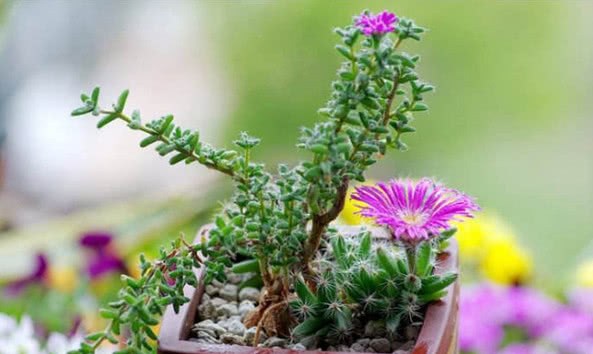
Flower lovers' favorite place to browse is the flower market. After a few visits, they always end up buying a few pots. But just after bringing them home and caring for them, the leaves turn yellow, dry and droopy, which makes many flower lovers wonder: were they tricked by the flower shop owner? So, what should you do when this happens? Below, the editor will talk with you about tips for choosing flowers and methods for caring for them.
Tips for buying potted flowers
Actually, buying plants also requires a few tricks. When buying potted plants, try to choose plants that are in season. If you want to grow southern flowers in the north, you need solid skills. If you are a beginner, it is best to buy seasonal plants to grow, and for the potting soil, try to use the original potting soil as much as possible.
It is best not to buy potted plants that have just been potted. The root system of a plant that has just been potted has not yet fully developed, and the potting soil is too fresh, so you need to buy with caution. If you are not sure, you can hold the upper part of the plant; if the plant does not separate from the flower pot, then you can buy it.
When buying potted plants, ask about the soil. Some unscrupulous shopkeepers will add soil on the surface of the pot and put sponge at the bottom of the pot. When buying potted plants, it is best to observe, or ask the seller whether this kind of passing off inferior goods as good exists. After all, if you buy such a plant and take it home, it will not live long either.
It is best not to buy potted plants that are too brightly colored. Beautiful colors can attract more flower lovers' favor, and some shopkeepers use many methods to beautify them. Even if you buy this kind of potted plant and take it home, it is not easy to care for.
Methods for caring for flowers
For convenience in transportation, many flower sellers buy plants without soil. If what you buy and take home is a plant without soil, then the first thing to do when you get home is to soak the plant in water for a full three hours. After the plant's root system has fully absorbed water, then pot and plant it. Only in this way can you ensure the plant will not die from dehydration.
In addition, using a suitable flower pot to care for a newly bought potted plant is also one of the necessary conditions for healthy plant growth. Generally speaking, a flower pot about one size larger than the plant's root system is most suitable, and the bottom of the flower pot must also have ventilation holes. After the plant is planted in the pot, prune it in time. Take a newly bought Chinese rose as an example: properly cut off the flowers and branches on the upper part of the plant to promote the sprouting of new buds. In addition, remember that you must not fertilize a newly planted plant right away. After the potted plant sprouts new buds, you can follow the principle of applying thin fertilizer frequently.
For newly bought plants, the care method is very simple. Place the potted plant in a fixed position and give it scattered light to meet the needs of the potted plant's growth. Also, newly bought potted plants do not need fertilizer or to be put in the sun too early. For daily watering, just water thoroughly in one go.
After all, a potted plant in the seedling recovery stage needs time to adapt to a new environment. A small amount of yellowing and fallen leaves, and dropped flowers and buds, are all normal phenomena. After a period of time, the potted plant will return to normal growth. A potted plant bought and brought home can be repotted immediately, as long as later care is proper. After all, potted plants bought from the market have very full color and appearance. After taking most new potted plants out of the pot, you will find that the plant's root system has already filled the flower pot, and the amount of soil is very little. Considering the air permeability and water retention of the potting soil, it needs to be repotted immediately to meet the needs of the potted plant's later growth.
The above is the editor's summary of tips for choosing potted flowers and methods for caring for them. Have you all learned them? Caring for a well-chosen potted plant is also a bit easier.