What are the control methods for eggplant sclerotinia rot?
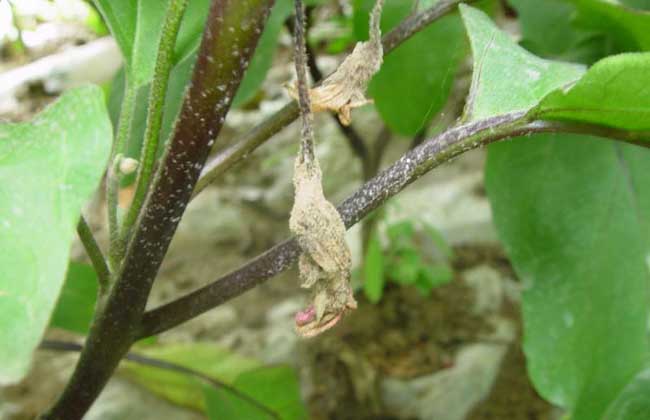
Eggplant sclerotinia rot is one of the common diseases of eggplant, and it is more severe in protected cultivation than in open-field cultivation. Besides harming eggplant, it also harms tomatoes, peppers, cucumbers, cowpeas, broad beans, peas, potatoes, carrots and many other vegetables. When the disease is severe, it often causes stems and leaves to wither and die, or even the whole plant to die, directly affecting yield. Let us take a look below at the control methods for eggplant sclerotinia rot!
Symptoms
In the seedling stage, the disease starts at the stem base. The diseased part initially appears light brown and water-soaked. When humidity is high, white cottony mycelium grows, showing soft rot with no foul odor. After drying, it turns grayish white, and the mycelium gathers into sclerotia. The diseased part constricts, and the eggplant seedling dies. In the adult plant stage, all parts can be affected. It starts first from the main stem base or 5-20 cm along the side branches, initially showing light brown water-soaked lesions that are slightly sunken and gradually turn grayish white. When humidity is high, white flocculent mycelium also grows, the cortex becomes moldy and rotten, and black sclerotia form on the surface of the diseased stem and in the pith. After drying, the pith becomes hollow, the surface of the diseased part easily cracks, and the fibers are exposed like hemp, causing the plant to die. When leaves are affected, they also first appear water-soaked, then turn into brown round spots, sometimes with concentric rings. White mycelium grows on the diseased area, and after drying the spot surface easily breaks. When flower buds and flowers are affected, they show water-soaked wet rot and eventually fall off. When the fruit stalk is affected, the fruit drops off. When fruit is affected, water-soaked spots first appear at the end or on the sunny side, then turn brown and rot, slightly sunken, with white mycelium growing on the spot surface, and later sclerotia form.
Conditions for occurrence
The pathogen prefers a warm and humid environment. The most suitable conditions for disease occurrence are a temperature of 20-25°C and relative humidity above 85%. In Zhejiang and the middle and lower reaches of the Yangtze River, the main peak periods of disease occurrence are from February to June in spring, and the most susceptible reproductive period is from the adult plant stage to the middle and late fruiting stage. Fields with low-lying terrain, poor drainage, overly dense planting, poor ventilation and light transmission in the greenhouse, and years of continuous cropping have severe disease occurrence. In years with more rain in early spring or more rain during the plum rain period, the disease is more severe.
Control methods
1. Cultivating eggplant in plastic greenhouses with plastic film mulching can prevent apothecia from emerging from the soil and reduce the source of inoculum.
2. Treat the soil with chemicals. Use 4-5 kg of 50% carbendazim wettable powder per mu, mix thoroughly with an appropriate amount of dry soil, spread it on the bed surface, and then rake it into the soil. This can reduce the primary infection source.
3. Pay attention to ventilation to reduce humidity in the greenhouse. When a cold wave strikes, pay attention to heating and cold protection to prevent the plants from being frozen and induced to become diseased.
4. Promptly pull out diseased plants when found and take them outside the greenhouse for destruction.
5. After apothecia are first seen in the field or a central diseased plant is found, rotate or alternate the chemicals, applying once every 10-15 days for 3-4 consecutive treatments. In addition, in protected cultivation, the smoke method or dust method can also be used. For specific methods, see cucumber sclerotinia rot.