How to prevent and control eggplant damping-off disease? These methods are very practical
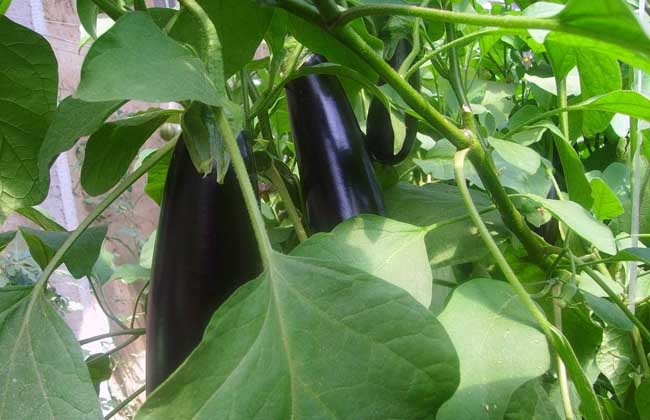
Eggplant damping-off disease mostly occurs in the early stage of eggplant seedlings. Before the seeds emerge from the soil, they are easily damaged, often causing seed rot. After emergence, during the cotyledon stage or the early true leaf stage, the seedlings are damaged and topple over. In the early stage of the disease, the stem base of the seedling becomes discolored and necrotic, gradually loses water and shrinks into a thread-like shape. Before the cotyledons have wilted, the seedling has already fallen to the ground. When humidity is high, white cottony mold can be seen on the affected part and at the soil surface. Now let us take a look at the prevention and control methods for eggplant damping-off disease!
Symptoms
When seedlings are infected and develop the disease, the stem base appears light yellow-green and water-soaked, as if scalded by boiling water, and quickly turns yellow-brown and spreads around the stem. The diseased tissue rots, dries up, and becomes sunken, producing mycelium. The water-soaked symptoms continue to spread from bottom to top. Before the true leaves have wilted, the seedling falls over on the ground, then wilts and loses water, and further dries up into a thread-like shape. In the early stage of the disease, only a few seedlings in the seedbed are affected, and after a few days, the disease gradually spreads outward from this center, finally causing patches of seedlings to collapse. In plots with a high disease base, seedlings are often infected before emergence or just as the embryo bud emerges, becoming water-soaked and rotting, causing seed rot and bud rot. When humidity is high, white cottony mycelium grows on the surface of diseased seedlings and on the nearby soil surface.
Disease occurrence pattern
The pathogen overwinters in the soil with diseased plant residues. When conditions are suitable, it spreads to seedlings via rainwater or irrigation water, invades from the stem base, and the incubation period is 1-2 days. The pathogen favors high temperatures of 34-36°C, but can also grow at low temperatures of 8-9°C. Therefore, when the seedbed temperature is low, seedling growth is slow, and high humidity occurs at the same time, the susceptible period is prolonged, and damping-off disease is very likely to occur. Especially when continuous rainy weather occurs during the seedling stage, with insufficient light, seedlings grow weakly and the disease is severe.
Prevention and control methods
1. Use rapid seedling raising or soilless seedling raising methods, strengthen seedbed management, ventilate timely and appropriately according to seedling condition, avoid low-temperature and high-humidity conditions, and do not water on rainy days.
2. Select damping-off-resistant varieties according to local requirements. Varieties such as Purple Round Eggplant, Bulb Red, Zhusi, Nanjing Zidan, Five-Leaf Eggplant, and Seven-Leaf Eggplant can be used.
3. Treat seeds and soil with chemicals. Soak seeds in a 500-fold solution of 53% metalaxyl-mancozeb water-dispersible granules for half an hour. Sow after soaking with the chemical or sow directly. Take 50 kg of sieved nutrient soil, add 20 g of metalaxyl-mancozeb water-dispersible granules, and add 10 mL of 2.5% fludioxonil, mix thoroughly, and then fill nutrient pots.
4. The seedbed should be selected as a disease-free plot with high and dry terrain, shelter from wind and facing the sun, good drainage, and loose and fertile soil. To prevent the pathogen from being brought into the seedbed, apply thoroughly decomposed farmyard manure. Before sowing, the seedbed should be fully turned over, sunned, and harrowed.