What are the control methods for pepper soft rot
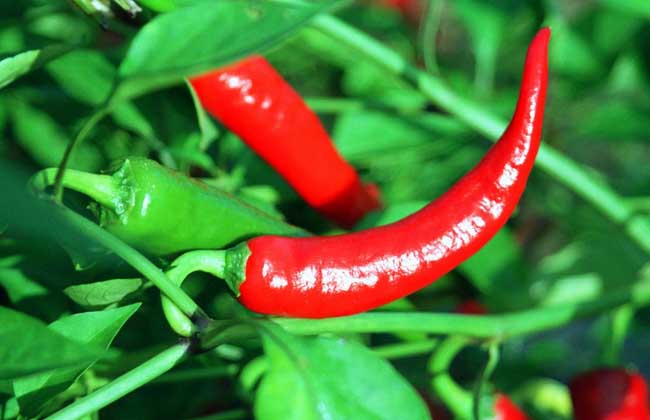
Pepper soft rot mainly damages the fruit, mostly on green fruit. After the fruit is infected, water-soaked dark green spots first appear, which spread rapidly; the lesions turn light brown, the flesh rots and gives off a foul odor, and the fruit becomes deformed. Most diseased fruits drop off, while a few remain on the branches; after losing water, only the grayish-white rind is left hanging on the plant. Let's take a look at the control methods for pepper soft rot below!
Causes of pepper soft rot
Pepper soft rot is prone to becoming epidemic in low-lying fields, at excessive planting density, where there are many boring pests, or in weather with many consecutive overcast and rainy days and high humidity. The pathogen overwinters in the soil with diseased plant residues and becomes the primary infection source for the next year. In the field, the pathogen invades through wounds via irrigation water or rain splash, and after infection the pathogen can be spread by tobacco budworms and by wind and rain, causing the disease to spread through the field.
Occurrence pattern of pepper soft rot
Pepper soft rot is a bacterial disease. The pathogen overwinters in the soil with diseased plant residues and spreads in the field with rainwater and irrigation water, becoming the primary infection source for disease occurrence in the field the following year. The pathogen continues to spread through fruit-boring pests and invades through fruit wounds, leading to an epidemic. Fields with extensive management and low-lying, damp plots have severe occurrence, and continuous overcast and rainy weather will worsen the occurrence of soft rot.
Control methods for pepper soft rot
1. Crop rotation: rotate for more than 3 years with non-solanaceous and non-cruciferous vegetables, cultivate strong seedlings, transplant at the proper time, plant at a reasonable density, pay attention to ventilation, use plastic film mulching, and drain field water promptly after rain to reduce air humidity. Remove diseased fruits in time, take them out of the field and bury them deeply to reduce sources of reinfection in the field.
2. Pest control: choose one of the following agents and spray: 2.5% Kung Fu emulsifiable concentrate 5000-fold dilution, 4.5% beta-cypermethrin 3000-3500-fold dilution, 2.5% deltamethrin 2000-fold dilution, 20% fenvalerate 2000-fold dilution.
3. Disease control: for initial disease onset and after rain, choose one of the following and spray: 50% DT bactericide 500-fold dilution or 72% agricultural streptomycin soluble powder 4000-fold dilution.