How to prevent and control bitter melon blight? A detailed explanation of prevention and control methods
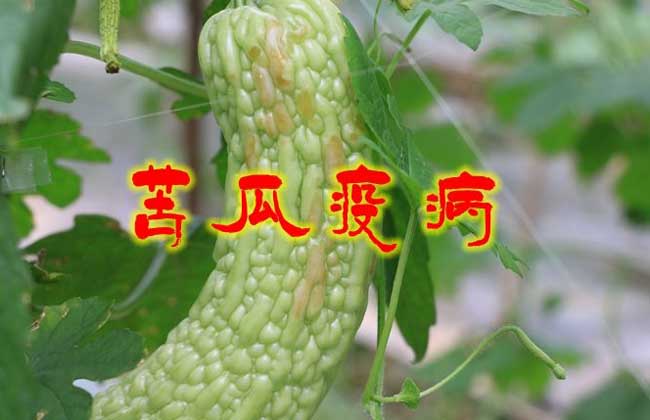
Bitter melon blight damages stems, leaves and fruits, occurring more often at the base of the vine and at the nodes of tender vines. The pathogen is Phytophthora parasitica, a fungus of the subphylum Mastigomycotina. In northern China, it occurs more often on autumn cucumbers; in central and southern China, it is more common on spring cucumbers. Besides cucumber, it also damages winter melon, hairy gourd, zucchini, snake melon, pumpkin, watermelon and other crops. Let us take a look at the prevention and control methods for bitter melon blight below!
Damage symptoms
Bitter melon blight mostly shows symptoms before flowering, and both stems and vines and fruits can be infected. Infected leaves first lose their luster; in the early stage there are dark green water-soaked lesions, irregular in shape with indistinct edges. When humidity is high, a very thin layer of white mold can be seen growing on the diseased area; when dry, it appears greenish-white and breaks easily. Petioles and vine nodes develop dark green water-soaked soft rot, and the affected parts tend to constrict. When the fruit is affected, dark green sunken lesions appear; when humidity is high, the fruit quickly softens and rots, and sparse white mold grows on the affected part, with the rot giving off a foul odor.
Disease development pattern
The pathogen mainly overwinters in the soil as mycelium, oospores or chlamydospores with diseased plant residues, and seeds can also carry the pathogen. The temperature range for the pathogen's development is 5-37°C, with the optimum at 28-30°C. Within the suitable temperature range, the length of the rainy season and the amount of rainfall are the decisive factors for the occurrence and epidemic of the disease. If the rainy season comes early, rainy days last long and rainfall is heavy, the disease occurs early and is severe. In addition, poor field drainage and high soil moisture easily induce blight.
Agricultural control
For agricultural control of bitter melon blight, a rotation of more than 3 years can be implemented, and plastic film-mulched high-ridge (bed) cultivation can be adopted to reduce pathogen splashing from the ground with water. Irrigate reasonably and control field humidity. During the rainy season, appropriately control watering, drain water promptly after rain, and ensure the ground dries after rain. When drought occurs, water promptly; when watering, never flood-irrigate, and it should be done on sunny afternoons or in the evening. Apply more organic fertilizer to promote robust plant growth, deep roots and lush leaves, and improve resistance. Adjust the plants promptly to prevent excessively dense growth and poor ventilation and light penetration. Remove diseased leaves at any time and burn them.
Chemical control
For chemical control of bitter melon blight, choose 25% Ridomil wettable powder 800-1000 times solution, 80% zineb wettable powder 600-800 times solution, 64% Sandofan wettable powder 500-600 times solution, 40% fosetyl-aluminum wettable powder 300-400 times solution, 80% Xinwansheng wettable powder 500-600 times solution, 72.2% Previcur water solution 400-600 times solution, 50% potassium copper cymoxanil wettable powder 600 times solution and other agents for alternating spraying, spraying once every 5-10 days, for 3-4 times in a row. Spraying should be thorough and careful, and all leaves, fruits and nearby ground should be sprayed.