Peanut Stem Rot: Control Methods and Key Technical Points
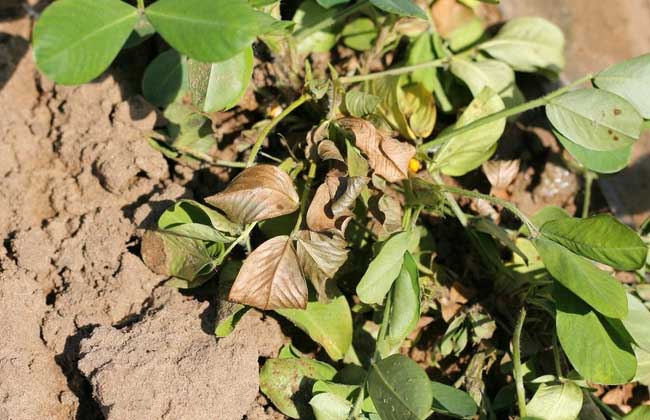
Peanut stem rot, commonly known as "rotten neck disease," is distributed in all peanut-producing areas across the country. It generally occurs in the middle and late stages. After infection, plants quickly wither and die, and the pods often rot or the kernels fail to fill, causing serious losses. In ordinary fields, the incidence rate is 20-30%, and in severe cases it reaches 60-70%. Especially in peanut plots that have been continuously cropped for many years, plants may even die in large patches. Let's take a look at the control methods for peanut stem rot below!
Symptoms of Peanut Stem Rot Damage
The pathogen invades the plant from the cotyledons or young roots, producing yellow-brown water-soaked lesions at the root collar, which later turn dark brown and cause rotting of the root base tissue. In humid environments, the diseased area produces pycnidia (small black protrusions), and the epidermis of the diseased area peels off easily, exposing the fibrous tissue. In dry environments, the epidermis of the diseased area becomes sunken and clings tightly to the stem. After infection at the adult plant stage, the entire plant dies within about 10-30 days. The affected site is mostly at the base of the stem near the ground, and sometimes the main stem and lateral branches die in stages.
Conditions for the Onset of Peanut Stem Rot
The pathogen mainly overwinters on seeds and diseased plant residues in the soil, becoming the source of infection for the following year. If diseased plants are used as feed or pod shells are fed to livestock and their manure, as well as farmyard manure composted with diseased plant residues, they can also spread the disease. In the field, spread occurs mainly through rainwater runoff, followed by strong wind, though pathogens carried during farming operations can also spread the disease. In rainy and humid years, especially when rain occurs during the harvest season, the harvested seeds have a higher rate of carrying the pathogen, so they are not only the main transmitter of the disease but can also spread it over long distances through the introduction of seeds.
Agricultural Control of Peanut Stem Rot
1. Select superior varieties: Yuhua No. 7, Yuhua No. 8, Yuhua No. 9, Luhua No. 11, etc. are all good varieties.
2. Manage seeds well: Peanuts used as seeds should be harvested in time, dried in time, and stored in a ventilated and dry place to prevent moisture and mildew. Before sowing, they should be carefully selected and sun-dried to promote germination and emergence.
Chemical Control of Peanut Stem Rot
1. Seed soaking with chemicals: Use 50% carbendazim wettable powder plus Xin Gao Zhi Mo at 5% of the seed amount, mix with 1.5-2 kg of fine soil, apply water and scatter the chemical in layers, then mix well and sow after sprouting. This can repel underground pests and diseases, isolate viral infection, does not affect the imbibition function for germination, strengthens respiration intensity, and increases the seed germination rate.
2. Chemical spraying: During the growing period, spray with 50% carbendazim wettable powder at 600 times dilution or 70% thiophanate-methyl plus 50% carbendazim powder. Spray once after full emergence of peanut seedlings and once before and after flowering, or spray 1-2 times in the early stage of disease onset. Spraying with Proplant at 800-1000 times dilution can also simultaneously control peanut root rot, damping-off, leaf spot, and other diseases.