Detailed Explanation of the Cultivation Techniques and Management Methods of the Monkey Leg Fern
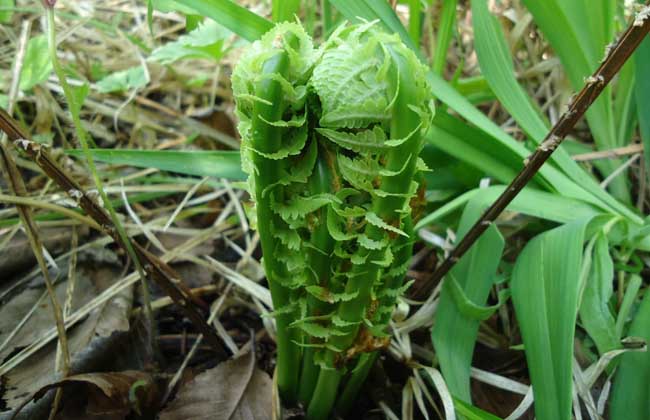
The monkey leg fern is one of the famous wild vegetables used for both food and medicine, also known as Athyrium fern, green-stem vegetable, purple vegetable, etc. It is a perennial herbaceous plant of the Athyriaceae family, contains various nutrients, and is more nutritious than cultivated vegetables. Its flavor is delicious and unique, and its medicinal value is similar to that of the bracken fern. It has the effects of clearing heat and detoxifying, moistening the lungs and regulating qi, tonifying deficiency and soothing the meridians, and stopping bleeding and killing parasites. Let us take a look at the cultivation techniques of the monkey leg fern together below!
Apply Sufficient Base Fertilizer
The native habitat of the monkey leg fern is under forest with humus-rich soil. It is naturally fond of fertilizer and suitable for growing in loose soil. Therefore, sufficient base fertilizer should be applied before making the bed. Well-rotted pig manure is best, followed by horse manure, applied at 75000 kg per hectare and turned into the soil at a depth of 20 cm below the bed. If the manure source is insufficient, fallen leaves can also be covered, which also has a certain effect.
Rhizome Transplanting
The rhizomes of the monkey leg fern can be collected one month after its aboveground parts wither. Dig to a depth of about 20 cm, that is, dig up the roots of the monkey leg fern in clumps, minimizing damage to the plant roots as much as possible, and transport them to the greenhouse for later use. After the spring thaw, move the rhizomes out of the greenhouse and plant them in a bed prepared behind the greenhouse. Since the monkey leg fern likes fertilizer and water and mostly grows under forest with a shade-loving habit, after the rhizomes are planted, straw should be covered for shading and moisture retention.
Temperature Management
The monkey leg fern is a warmth-loving plant but is not tolerant of high temperatures. It can germinate when the air temperature and ground temperature reach 8°C. When the air temperature is 15°C and the ground temperature is above 12°C, the leaves grow rapidly. The suitable temperature for germination is about 20°C, and the suitable temperature for the growth of young leaves is 17-20°C. Growth stops when the air temperature exceeds 30°C, and young leaves suffer frost damage when the air temperature is below 5°C.
Light Management
Light is an important factor in the growth and development of the monkey leg fern. When light is strong, cell elongation is hindered, the petioles are short and small, and the edible value is low. When light is weak, photosynthesis is poor, photosynthetic products accumulate insufficiently, and the quality is poor. The suitable light intensity is 10000-13000 lux. If the light is strong, shade nets can be hung.
Water Management
After planting and during the harvest period, the monkey leg fern should be sprayed frequently with a watering can, ensuring watering once every other day, always keeping the soil moist, especially in the dry winter air of the north. During the rainy season, strengthen drainage to avoid root rot. Before sprouting in early spring, water and topdress in time to promote the sprouting of stems and leaves.
Harvest at the Right Time
When the young leaves of the monkey leg fern emerge from the soil for 6-10 days, harvest the first crop at the right time. After another 7-10 days, when the second crop of young leaves emerges and grows to about 20 cm, with the leaflets not yet unfolded and in a fist-like shape, they can be harvested. When harvesting, get as close to the ground as possible, and pinch with the hands or cut with a knife. In protected areas, generally 23 crops can be harvested, but the growth vigor is somewhat weaker in the later period. By controlling the time of planting in the greenhouse, the harvest period can be controlled around the Spring Festival to obtain considerable economic benefits.