How to prevent and control tomato fusarium wilt? A detailed guide to practical control techniques
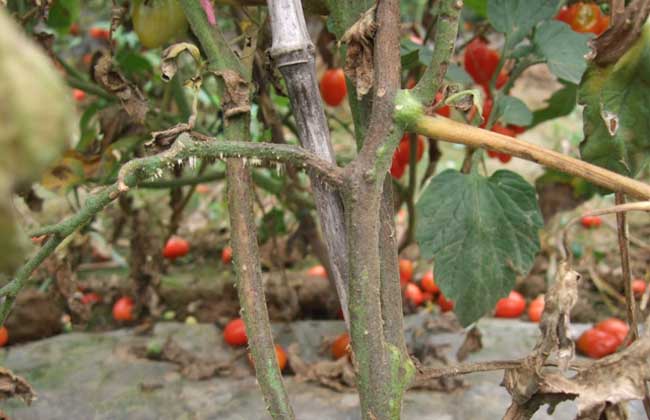
Tomato fusarium wilt mostly occurs during the flowering and fruiting stage of tomatoes, with localised damage and the whole plant showing symptoms. In the early stage of the disease, only the lower leaves of the plant turn yellow, but most do not drop off. As the disease progresses, the diseased leaves turn yellow and then brown from the bottom up. Apart from a few intact leaves at the top, the rest become necrotic or scorched. Sometimes the leaves on one side of the diseased plant wilt and droop while the leaves on the other side remain normal. Let us take a look at tomato fusarium wilt control techniques together!
Symptoms of Tomato Fusarium Wilt Damage
Tomato fusarium wilt is a soil-borne vascular disease that is difficult to control. It often occurs together with bacterial wilt, mostly during the flowering and fruiting stage, and often causes death during the full fruiting stage. In the early stage of the disease, the middle and lower leaves of the plant wilt around noon and can still recover in the morning and evening. Later, the wilting symptoms gradually worsen, and the leaves gradually turn yellow from the bottom up without dropping off, until they wither and die. Sometimes only one side of the plant is affected, while the stems and leaves on the other side grow normally. The base of the stem near the ground becomes water-soaked, and pink, white or blue-green mould-like substances appear under high humidity. When the diseased plant is pulled up and the base of the diseased stem is cut open, the vascular bundles can be seen to have turned brown.
Factors Contributing to Tomato Fusarium Wilt
1. Continuous cropping land, heavy clay and slightly acidic soil, and fields with large amounts of fusarium wilt pathogens accumulated in the soil.
2. When a certain amount of nematodes and other underground pests are present in the soil, the pathogens invade the roots through wounds caused by the pests.
3. Seeds carrying pathogens, or the nutrient soil used for raising seedlings carrying pathogens. Or organic fertiliser carrying pathogens, or organic fertiliser not fully decomposed, with manure maggots damaging the roots, and the pathogens invading through the wounds and causing damage.
4. Fields with excessive nitrogen fertiliser application and insufficient phosphorus and potassium.
5. After continuous overcast rain or after heavy rain it suddenly clears up and the temperature rises rapidly. Or weather with alternating sunshine and rain, and hot, stuffy conditions.
Tomato Fusarium Wilt Control Techniques
1. Before transplanting or after harvest, clear weeds in the field and around it, and burn them in a centralised manner or compost them. Deep-plough the land to destroy stubble and sun the soil to promote the decomposition of diseased residues, reducing sources of disease and pests.
2. The nutrient soil for raising seedlings should be sterile soil, and it should be sunned for more than three weeks before use.
3. In heavily diseased fields, carry out a 3 to 5 year rotation with cruciferous, cucurbit and allium vegetables. If cucumbers are to be planted, they must be grafted onto black-seeded pumpkin.
4. Select disease-free, coated seeds. If they are not coated, the seeds must be sterilised with a seed dressing agent or seed soaking agent.
5. After sowing, cover with medicated soil, and spray once with an insecticidal and sterilising agent before transplanting. This is the key to disease prevention.
6. Open up drainage ditches properly and lower the groundwater level so that there is no standing water after rain stops. After heavy rain, clear the ditch system promptly to prevent moisture from lingering, lower the field humidity. This is an important measure for disease prevention.
7. In fields with a high level of soil pathogens or severe underground pests, broadcast or apply in furrows a sterilising and insecticidal medicated soil before sowing.
8. Apply compost fermented with enzyme bacteria or fully decomposed organic fertiliser. Do not use fertiliser carrying pathogens, and the organic fertiliser applied must not contain diseased residues of crops of the same family.
9. Deep-plough and sun the soil and increase the application of organic fertiliser and phosphorus and potassium fertiliser to promote robust crop growth and improve the crop's disease resistance.
10. Control pests promptly to reduce wounds on plants and reduce the routes of pathogen spread. When the disease occurs, promptly remove diseased leaves and diseased plants and take them out of the field to be burned, and apply medicine or quicklime to the diseased planting holes.
11. Use wild water eggplant, poisonous eggplant or red eggplant as rootstock and cultivated eggplant as scion, and adopt the cleft grafting method. This is indeed effective.