Detailed Explanation of the Key Techniques for Soilless Cultivation of Wheatgrass
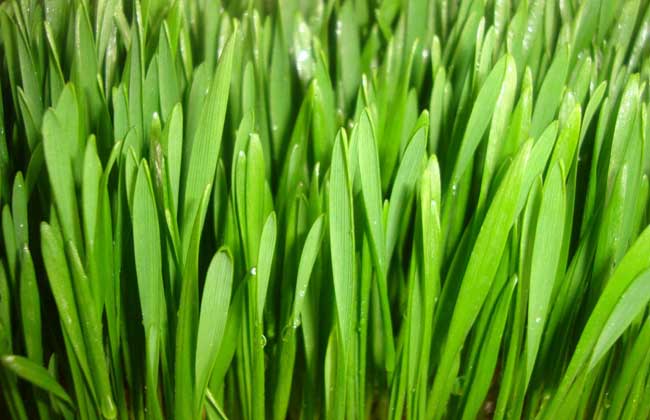
Wheatgrass is a unique type of wheat, a plant of the genus Roegneria in the grass family (Poaceae). When mature, it produces red wheat berries. It is cultivated in Canada, France, Germany, and Europe, and is also cultivated in northeast China, north China, northwest China, and the Yunnan-Guizhou Plateau and other regions of China. It has relatively high edible value and medicinal value. Let us take a look together at the soilless cultivation techniques for wheatgrass!
Seed Soaking Treatment
Take wheat seeds, put them in a bottle, rinse with water, fill with water, and soak for about 8 to 10 hours. In summer, soak for a shorter time; in winter, soak for a longer time. Soak until the seeds have absorbed enough water and become soft.
Germination Method
Rinse the soaked seeds clean. Take a seedling tray, lay a layer of paper napkin on it, moisten it with water, and spread the seeds evenly. They can be arranged densely, as long as they are not piled up. Place a towel or paper napkin over the seeds, either is fine, and wet it with water to retain moisture. The seedling tray underneath should be one that can drain water, so do not let the seeds soak in water. Moreover, germination requires shading to simulate the environment of seeds in soil, so cover them with a towel or paper towel.
Cultivation Techniques
Water the seedling tray every day to keep it moist, and pick out any seeds that have gone bad or moldy, otherwise they will infect the other seeds. Wait until the young sprouts have grown to nearly 1 cm, then you can remove the covering towel or paper towel and let the wheatgrass grow freely. Water every day to keep it moist; it may need to be done 2 to 3 times a day, depending on the weather. When it is hot, 3 times; when it is cooler, 2 times; in winter, 1 time is enough. Be careful not to expose it to direct sunlight; indirect light is fine.
Harvest at the Right Time
When the emerald green wheatgrass grows to 10 to 15 cm, it can be harvested for consumption. When harvesting, use scissors or a small knife to cut as close to the roots as possible. The harvest time depends on the environment, water quality, climate, and the variety planted, ranging from 5 to 12 days.