Planting roses in the ground is actually very simple, just follow the method and you'll get it right
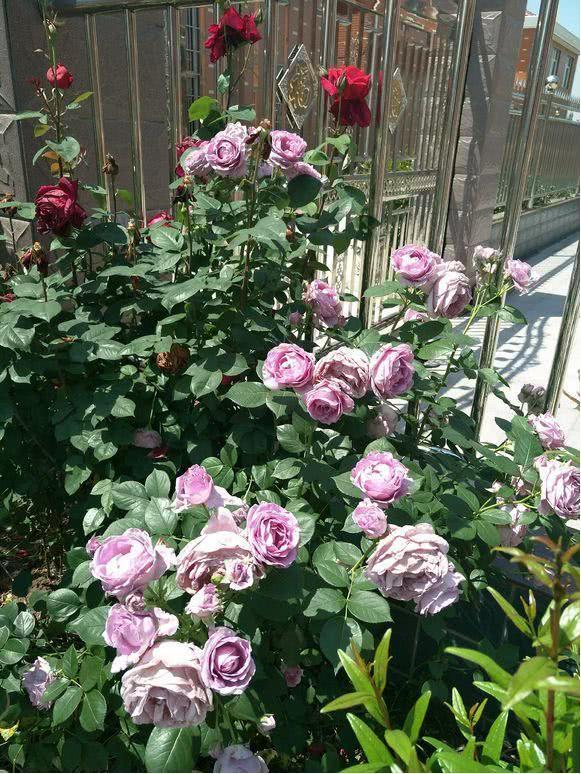
Plant growth comes down to just four key elements: soil, water, sunlight and fertilizer. If you have a yard at home, or a backyard, you lucky folks, congratulations! Your space is just perfect for growing roses. Growing roses is no big deal, as long as you have the yard ready, just follow what I say and you'll get it right!
The first step is to do some investigation of the spot where you'll plant the roses -- a soil survey. How do you go about observing this? It means checking whether the soil is actually fertile or not; even if not fertile, it should at least meet the basic growth needs of ordinary plants, and only then is it suitable for growing roses. A very simple method is this: if that patch of ground already has plants growing on it -- flowers, vegetables or whatever.
If the flowers and vegetables are growing well, that means the soil is good. If that patch of ground is just an empty lot, you can look at the vegetation on the soil; generally speaking, as long as it's idle land, some weeds or something will always grow there, and that means it's fine. But if it's soil where even tough weeds can't grow, I'd say forget it, I don't think it's suitable for growing roses.
The second step is to start digging the hole. How big should this hole be? Dig it about half a meter wide and half a meter deep, and push the excavated soil to one side for later use. After the hole is dug, it's best to give the soil at the bottom a few stabs with a shovel to loosen it up, so the planted rose can root better.
It's best to work the soil dug out of the hole a bit; if there are clumps of soil, break them up with a shovel. Then it's best to spread a layer of already fermented organic fertilizer at the bottom of the hole, so that when the roots grow a bit, the nutrients will be right there to keep up. The third step is to place the rose seedling in the center of the hole; if it's a transplanted potted seedling with soil, you can shake the soil a little to loosen it, but you shouldn't shake it all off.
The fourth step is filling in the soil. Add the soil little by little starting from around the plant; if the hole is too big and the seedling too small, you'll need to pull the seedling up a bit according to the actual situation. Because the soil dug out of the hole is definitely more than what's needed to fill it, when filling you can choose the finer, less sticky soil first. Put the good soil close to the center of the plant, and the poor soil farther away from the plant.
The fifth step is to water it, giving it a thorough soaking in one go. If it's in a season of blazing sun, you can consider putting up a shade net to give it some proper shade. In the early stage, watering should keep it moist; once it has adapted to the environment, you can water thoroughly only after it dries out. But the survival rate for in-ground planting is usually very high, so as long as you ensure the water supply, there basically won't be much of a problem.