How to Choose a Flower Pot? Choose the Right Pot to Grow Flowers Well
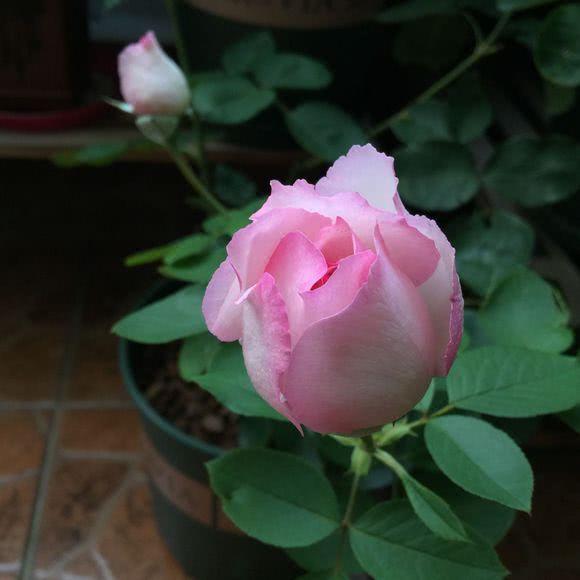
When it comes to flower pots, which kind is the most familiar to everyone? The first thing that comes to my mind is the most common kind at flower and bird markets, those red, white and black plastic pots! Yes, that's right, those plastic pots that cost just a few cents! They are neither attractive, and they can be said to do plants a hundred harms and not a single good. So why do most potted plants sold at flower and bird markets use this kind of plastic pot?
Plastic pots have several features that are most advantageous to flower sellers, for example, they are cheap, and this is very important. In fact, many flowers are grown in the ground and only transplanted into pots before being taken to the market for sale. For short-term planting, using plastic pots is no problem at all, and they are very lightweight, which helps florists carry them up and down and move them around.
Now you know, right? Apart from being cheap and lightweight, the plastic pots used by florists actually do not have good breathability, so they definitely cannot be used for the long term. That is why, when you buy flowers, the seller will also have you buy another non-plastic flower pot to swap in, earning an extra bit of money.
So what are the main types of flower pots most commonly used for long-term plant growing? The common ones include wooden pots, stone pots, glass containers (mainly for water cultivation), porcelain pots, ceramic pots, zisha (purple clay) pots, and so on. Among them, porcelain pots and ceramic pots are the most commonly used, zisha pots are relatively expensive, glass pots are mainly used for hydroponic plants, wooden pots easily rot with long-term use, and stone pots are relatively bulky.
The advantages of porcelain pots are that they are easy to shape and design in color and pattern, come in many styles, have rich colors, and have high ornamental value; the disadvantages are that they have fewer air pores, average breathability, and low water absorption. They are suitable for some moisture-tolerant plants that need a lot of water, are not prone to root rot, or have strong ornamental value, such as pothos, pennywort, asparagus fern, Monstera deliciosa and orchids.
The advantages of ceramic pots are that they have many air pores, good breathability, and high water absorption, and they are relatively cheap; the disadvantages are that they crack easily, have poor durability, have a shorter lifespan, and have poor frost resistance. They are suitable for some drought-tolerant plants that need moisture but cannot have waterlogged soil, are prone to root rot (fleshy roots), or have low requirements for ornamental value, such as cacti, succulents and so on.