Can di pi cai (Nostoc commune) be grown artificially? Explained clearly in one article
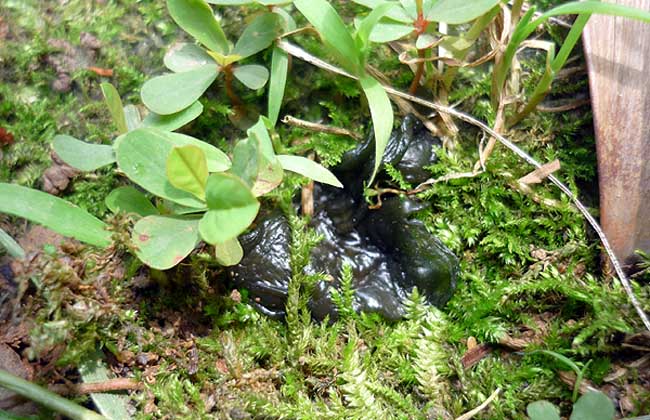
Di pi cai is a combination of fungi and algae, also known as di er, di yi, di mu er, di pi jun, etc. It generally grows in dark and damp places and looks somewhat like soaked black wood ear. It is rich in protein, a variety of vitamins and minerals such as phosphorus, zinc and calcium, and has high edible value. Let us take a look below at whether di pi cai can be grown artificially!
Can di pi cai be grown artificially?
At present, di pi cai cannot yet be grown artificially. Di pi cai is an important wild vegetable resource, and market demand for it is very high. Because wild di pi cai is difficult to meet domestic and international market demand in either quality or quantity, calls for artificial cultivation are growing. In recent years, more and more individuals and research institutions have begun working on artificial cultivation techniques for di mu er and have achieved many good research results. It can be inferred that a set of practical cultivation techniques will soon emerge.
The growing environment of di pi cai
Di pi cai has a very wide range of survival and a very broad tolerance for temperature. From cold Antarctica to hot deserts, from snow mountains above 5000 m to places where volcanic lava has flowed, it can survive and reproduce. It has strong drought tolerance and low soil requirements. It can grow vigorously in many places where even grass struggles to grow. Even after decades of dormancy, it immediately revives once it encounters water. Moreover, di pi cai likes calcium and is an indicator plant of calcium-rich soil. In limestone karst areas, the northern loess regions, and other calcium-rich areas, it grows abundantly, and in areas such as desert steppe with high calcium content and little pollution, it has considerable biomass.
Reproduction methods of di pi cai
The main reproductive method of di pi cai is that heterocysts divide the algal filaments into several small sections called hormogonia, which detach very easily from the heterocysts. Each hormogonium then grows into a long filamentous body through cell division. This method of reproduction by hormogonia is also a type of vegetative reproduction.
Nutritional value of di pi cai
Every 100 grams of di pi cai contains 15 grams of protein, higher than eggs, wood ear, silver ear, etc., and its total amino acid content is also higher than that of wood ear and lion's mane. It also contains 0.2 grams of fat, 51.2 grams of carbohydrates, 3.9 grams of crude fiber, 406 mg of calcium, 157 mg of phosphorus and 290 mg of iron, all significantly higher than other algae. It is a supplementary food for calcium deficiency in children and is also extremely beneficial for supplementing iron and nourishing blood in the human body. It also contains a variety of vitamins, among which vitamin C is 19 times the content in nori. In addition, it contains various nutritional components such as trehalose, sucrose, galactose glucose, fructose, xylose, mannitol and sorbitol.
How to eat di pi cai
1. Cold-tossed di er: 250 grams of fresh di er, an appropriate amount of chopped scallions. Wash the di er, remove impurities, blanch briefly in a pot of boiling water, remove and drain, place on a plate, add refined salt, soy sauce, chopped scallions, etc., then drizzle with sesame oil and mix well. This dish has the effect of clearing heat and improving eyesight, and is suitable for conditions such as red and swollen eyes, night blindness and chronic dysentery.
2. Di er with tofu: 10 grams of di er, 200 grams of tofu, an appropriate amount of scallions. First wash the di er, cut the tofu into small pieces and boil briefly in a pot, then remove. Heat oil in the pot, saute the chopped scallions until fragrant, add the tofu, refined salt and an appropriate amount of water and bring to a boil. Finally add the di er and simmer until flavorful, then remove from the pot. This dish has the effect of clearing heat, boosting qi and harmonizing the middle, and can assist in treating rectal prolapse.
3. Stir-fried di er with chives: 100 grams of di er, 25 grams of chives. Wash the di er and chives separately and drain: heat the pot and add oil. When the oil is hot, add the di er and stir-fry, add an appropriate amount of refined salt, and remove from the pot once flavorful, set aside. Cut the chives into sections, put them in the pot and stir-fry, add salt for flavor, then pour in the di er and braise-stir for several minutes before plating. This dish has the effect of boosting qi and tonifying the kidneys, and can assist in treating conditions such as rectal prolapse, impotence and spermatorrhea, and uterine prolapse.
4. Braised di er with meat: 200 grams of di er, 150 grams of pork, appropriate amounts of ginger and scallions. Remove impurities from the di er and wash it, wash the pork and slice it, heat the pot, add the pork slices and stir-fry until the water is gone, add ginger, scallions, cooking wine and soy sauce and stir-fry until the meat is fully cooked, then add refined salt and white sugar and cook for a moment, add the di er and an appropriate amount of water, simmer until flavorful, and add a little monosodium glutamate to finish. This dish has the effect of tonifying the middle and boosting qi, and is suitable for conditions such as fatigue and weakness, rectal prolapse, yin deficiency with dry cough, and constipation.