Is water dropwort poisonous? Let's make it clear once and for all
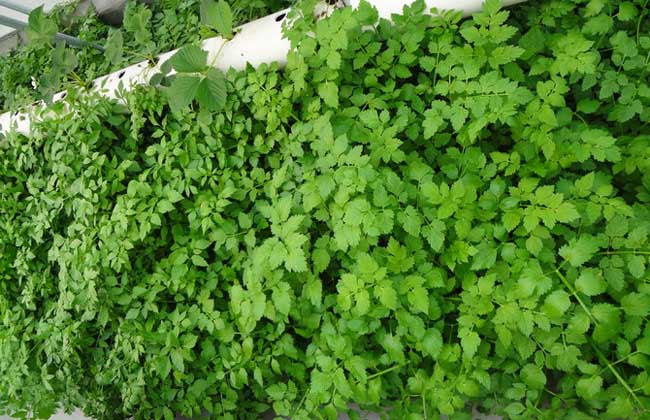
Water dropwort, also known as shuiying, xibenshan qincai, niucao, chukui, daoqin, shuqin and so on, is a perennial aquatic root herbaceous plant of the genus Oenanthe in the Apiaceae family. It originated in eastern Asia, and is widely cultivated in central and southern China. Among the better-known types are watercress, which originated in Europe, highland water dropwort, and garden cress, which originated in western Asia. Now let's take a look at whether water dropwort is poisonous!
Is water dropwort poisonous?
Water dropwort is not poisonous. Water dropwort is rich in various vitamins and minerals. Every 100 grams of the edible portion contains 1.8 grams of protein, 0.24 grams of fat, 1.6 grams of carbohydrates, 1.0 grams of crude fiber, 160 milligrams of calcium, 61 milligrams of phosphorus, and 8.5 milligrams of iron. It also contains rutin, oenanthein, and quercetin, among others. Its tender stems and leaf stalks are tender and fresh in texture, with a crisp and refreshing fragrance, and can be eaten raw in salads or stir-fried.
Can water dropwort be eaten?
Water dropwort can be eaten. The tender stems and leaf stalks of water dropwort are used as a vegetable. Regular consumption of water dropwort has the effects of cleansing the blood and lowering blood pressure and blood lipids, so water dropwort is a high-grade pollution-free herbaceous vegetable that is both edible and medicinal. It can be eaten by the general population and has a blood pressure-lowering effect, making it suitable for patients with high blood pressure and arteriosclerosis. However, because it is cool in nature and smooth in texture, people with weak and cold spleen and stomach or with loose intestines should eat it with caution. Moreover, regularly eating water dropwort can reduce the number of sperm in men and can help with contraception. Note that water dropwort should not be eaten together with soft-shelled turtle, chrysanthemum, clam, rabbit meat, cucumber, or crab.
Nutritional benefits of water dropwort
1. Water dropwort contains abundant beneficial components such as vitamins and chlorophyll. The leaves are high in calcium: every 100 grams of stems contains 152 milligrams of calcium, and every 100 grams of leaves contains as much as 366 milligrams of calcium. It also contains vitamin B1, vitamin B2, and other trace elements needed by humans.
2. The leaves of water dropwort contain volatile substances with a distinctive fragrance, which can also enhance a person's appetite. If there is a picky or anorexic child at home, you can try making a few dishes that include water dropwort.
3. Pounding tender water dropwort into juice and taking it with a small amount of honey can help prevent and treat high blood pressure. Diabetic patients can take water dropwort juice after boiling it, which has a blood sugar-lowering effect. Regularly eating celery boiled with fresh milk can also neutralize uric acid and acidic substances in the body, and also has a relatively good effect on treating gout.
4. Cook about 150 grams of whole water dropwort, including roots and leaves, with about 250 grams of glutinous rice into a thin porridge, and eat it every morning and evening. It is helpful for treating coronary heart disease, neurasthenia, and symptoms such as insomnia and dizziness.