Is nori a "stimulating food"? Read this and you'll know
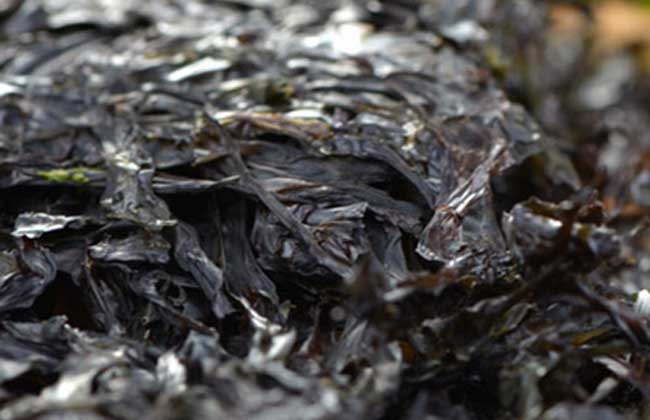
Nori is the collective name for algae that grow mutually in the sea, growing on rocks in the intertidal zone of shallow seas. Common species include Pyropia yezoensis, Pyropia haitanensis, and Porphyra tenera. Artificial cultivation has already been carried out in China's coastal areas. It is rich in protein and iodine, phosphorus, calcium, etc., and has the effects of resolving phlegm and softening hardness, clearing heat and promoting diuresis, and tonifying the kidney and nourishing the heart. Now let's take a look at whether nori is a "stimulating food"!
Is nori a "stimulating food"?
Nori is not a "stimulating food." The so-called "stimulating food" refers to foods that are particularly likely to trigger certain diseases (especially chronic old illnesses) or aggravate existing diseases. The taboo on stimulating foods is of great significance in dietary health preservation and dietary therapy. Under normal circumstances, stimulating foods are also foods, and eating them in moderation will not cause side effects or discomfort for most people; only for certain special constitutions and certain related diseases will they induce illness. Therefore, nori is not a stimulating food, so when eating nori you can do so according to your own preference, but you should also pay attention to moderation when eating nori.
The pathogenic causes of stimulating foods
1. Certain animal-based foods among stimulating foods contain certain hormones, which can promote hyperfunction or metabolic disorders in the human body. For example, when glucocorticosteroids exceed the physiological dose, they can induce spread of infection, ulcer bleeding, epileptic seizures, etc., causing recurrence of old illnesses.
2. The heterologous proteins contained in certain foods become allergens, causing recurrence of allergic diseases. For example, sea fish, shrimp, and crab often cause outbreaks of stubborn skin diseases such as urticaria, eczema, neurodermatitis, impetigo, and psoriasis in people with skin allergies. Fermented bean curd can sometimes also cause recurrence of asthma.
3. Some strongly irritating foods, such as alcohol, scallions, garlic, and other pungent and stimulating foods, are extremely likely to cause spread of inflammation and "running yellow" of boils in inflammatory infection lesions. This is the reason in traditional Chinese medicine that heat syndrome and excess syndrome patients should avoid eating pungent and stimulating stimulating foods.
Common types of stimulating foods
1. Edible fungi: The main stimulating foods among edible fungi include mushrooms, shiitake mushrooms, etc. Overeating such foods easily stirs wind and raises yang, triggering chronic illnesses such as liver-yang headache and liver-wind dizziness. In addition, it also easily induces or aggravates skin sores, ulcers, and swellings.
2. Sea-fresh category: The main stimulating foods in the sea-fresh category include hairtail, yellow croaker, pomfret, clam meat, shrimp, crab, and other aquatic products. Most of these foods are salty, cold, and fishy. For people with allergic constitutions, they easily induce outbreaks of allergic diseases such as asthma and urticaria, and they also easily promote skin diseases such as sores, ulcers, and swellings.
3. Vegetables: The main stimulating foods among vegetables include bamboo shoots, leaf mustard, pumpkin, spinach, etc. These foods easily induce skin sores, ulcers, and swellings.
4. Fruits: The main stimulating foods among fruits include peaches, apricots, ginkgo, peanuts, mangoes, bayberries, cherries, lychees, melons, etc. People of earlier times once pointed out that eating too many peaches easily generates heat and causes carbuncles, sores, deep-rooted boils, furuncles, and parasitic malnutrition in children, while eating too many apricots causes carbuncles and furuncles and harms the muscles and bones.
5. Poultry and livestock: The main stimulating foods among poultry and livestock include rooster, chicken head, pig head meat, goose meat, chicken wings, chicken feet, donkey meat, venison, beef, mutton, dog meat, goose eggs, duck eggs, etc. These foods are active in nature and tend to rise and float. Eating them easily stirs wind and raises yang, triggering chronic illnesses such as liver-yang headache and liver-wind dizziness. In addition, they also easily induce or aggravate skin sores, ulcers, and swellings.