Is nori the same as laver? The relationship and differences explained clearly in one article
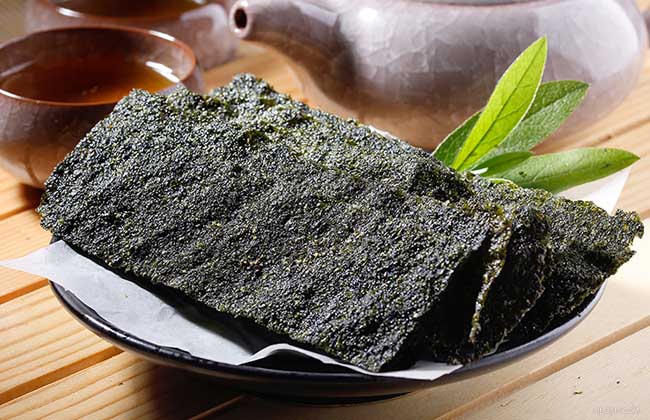
The difference between laver and nori is something many people are puzzled by. These two foods look similar and taste very similar, so what exactly is the difference between them, and are laver and nori really the same? Are laver and nori two different foods or the same food? Today, let us take a look at whether nori is laver!
What is laver?
Laver is the algal body of various wild laver species in the red algae family Bangiaceae, such as Pyropia haitanensis, Pyropia yezoensis, Porphyra suborbiculata and Porphyra tenera. Artificial cultivation has been carried out in China's coastal areas. It consists of 3 parts: a disc-shaped holdfast, a stipe and a blade. It contains chlorophyll, carotenoids, lutein, phycoerythrin, phycocyanin and other pigments. Differences in the proportions of these pigments cause different species of laver to appear purplish red, blue-green, brownish red, brownish green and other colors, but it is named for being mostly purple. Because laver can carry out photosynthesis, it is often mistaken for a plant, but biologists generally believe it is not a true plant, because it has no true vascular tissue and is different from aquatic plants.
What is nori?
After laver is roasted, its texture becomes crisp and tender, melting in the mouth. Especially after seasoning, with added oil, salt and other seasonings, it turns into especially delicious "nori". Nori concentrates the various B vitamins in laver, especially riboflavin and niacin, which are very abundant, and it also contains quite a lot of vitamin A and vitamin E, as well as a small amount of vitamin C. As a snack, nori is usually divided by production process into three types: salt-roasted, sauce-roasted and fried nori. All three processes are deep processing carried out using nori as the raw material.
Is nori laver?
Nori is always laver, but laver is not all nori. The laver commonly eaten mainly includes two varieties, Pyropia haitanensis and Pyropia yezoensis. The north is mainly based on Pyropia yezoensis, while the south is mainly based on Pyropia haitanensis. Nori is processed from Pyropia yezoensis. The reason its price is high is mainly that nori has been processed and sorted, requiring rinsing, crushing, high-temperature steaming and pressing, dehydration and baking, so the cost naturally increases. Therefore, laver and nori are the same food, but nori's appearance and taste are both better than laver's.
The nutritional value of laver
1. Preventing goiter: Laver can be used to treat "goiter" caused by iodine deficiency. It has the function of softening hardness and dispersing nodules, and it is also useful for other stagnant lumps.
2. Promoting growth and development: Laver is rich in choline, calcium and iron, can enhance memory, treat anemia in women and children, and promote the growth and health of bones and teeth. It contains a certain amount of mannitol and can be used as an auxiliary food for treating edema.
3. Preventing tumors: The active ingredients of laver have an inhibition rate of 53.2% against Ehrlich carcinoma, and help in the prevention and treatment of tumors such as brain tumors, breast cancer, thyroid cancer and malignant lymphoma.
4. Improving immune function: The polysaccharides contained in laver significantly enhance cellular immunity and humoral immunity, can promote lymphocyte transformation, and improve the body's immunity.