When is asparagus in season? A detailed introduction to its season
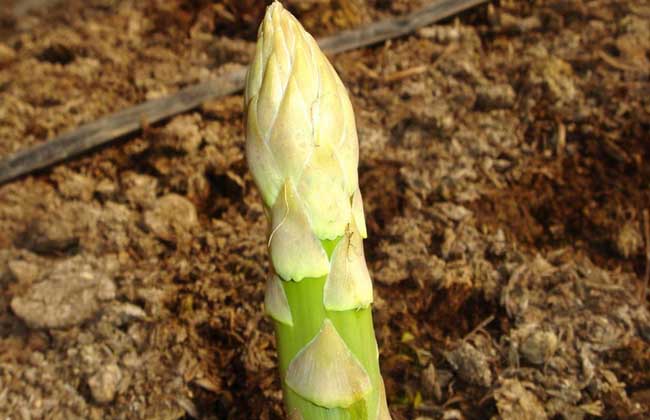
Asparagus is the young shoot of Asparagus officinalis, a plant in the genus Asparagus of the Liliaceae family. It is also known as Nandi bamboo shoot, Di bamboo shoot, Lu bamboo shoot, and so on. Its appearance resembles the young shoots of the reed, a plant in the grass family. It is a gift of nature that grows wild, is rich in nutrients, and has a unique flavor, combining the qualities of a natural wild plant and a green organic product, and it has high edible value. Let us take a look below at when asparagus is in season!
When is asparagus in season?
The season for asparagus varies with the geographical environment. In various parts of North China, harvesting of the shoots usually begins in early to mid-April. The duration of harvesting varies depending on the age of the plants, climate, soil quality, fertilizer management, and other conditions. When the number of emerging shoots decreases and they become thin and weak, harvesting must stop. If the harvest period is extended excessively, the growth period of the green stems and branches is shortened, the production and accumulation of nutrients are reduced, and the yield of tender stems in the following year is affected. Generally, a harvest period of 20 to 30 days is appropriate in the first year, 30 to 40 days in the second year of harvesting, and thereafter it can be extended to about 60 days.
Where is asparagus produced?
Asparagus originated on the eastern coast of the Mediterranean and in Asia Minor. Wild species still exist today in the grasslands and river valleys of Europe, the Asian continent, and North Africa. It has a cultivation history of more than 2,000 years. It was introduced to the Americas in the 17th century, to Japan in the 18th century, and to China in the early 20th century. It is cultivated in countries around the world, with the United States having the most. In China, Cao County, Heze City, Shandong Province, is known as the “hometown of asparagus”, and a grand asparagus festival is held there every spring.
Environmental conditions for growing asparagus
1. Temperature: Asparagus is highly adaptable to temperature, tolerating both cold and heat. It can be cultivated from the subarctic zone to the subtropical zone, but it is most suitable for cultivation in temperate zones with four distinct seasons and a pleasant climate. In high-cold regions, where the temperature is -33°C and the frozen soil layer reaches a thickness of 1 m, it can still overwinter safely; the yield is low, but the quality is relatively good. The starting temperature for asparagus seed germination is 5°C, and the optimum temperature is 25 to 30°C. Above 30°C, the germination rate and germination vigor decline markedly.
2. Soil: Asparagus is suitable for sandy loam rich in organic matter. It grows well in fertile soil that is loose, has a deep soil layer, retains fertilizer and water, and has good air permeability. Asparagus can tolerate mild salinity and alkalinity, but when the soil salt content exceeds 0.2%, plant development is markedly affected, the absorbing roots shrink, the stems and leaves become thin and weak, and the plant gradually dies. Asparagus has strong adaptability to soil pH. It can be cultivated in any soil with a pH between 5.5 and 7.8, with pH 6 to 6.7 being the most suitable.
3. Water: Asparagus has a low transpiration rate and a well-developed root system, so it is relatively drought-tolerant. However, excessive drought during the harvest period will inevitably lead to thin and weak tender stems, shrinkage of growing buds, and severe yield reduction. Asparagus is extremely intolerant of waterlogging; standing water can cause root rot and death, so planting plots should be high and dry, and drainage should be attended to during the rainy season.