How hot is the ghost pepper really? Understanding its heat level in one article
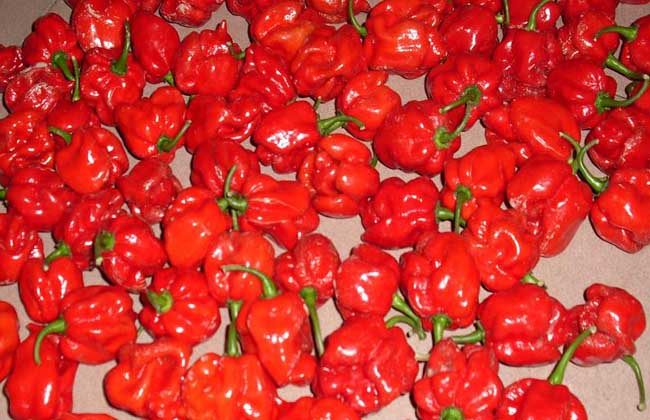
The ghost pepper is abundantly produced in the mountainous regions of northeastern India. Because it is extraordinarily hot, locals call it the "ghost pepper." This pepper was confirmed by Guinness World Records as the world's hottest chili pepper. After becoming famous overnight, it quickly swept the world and became a common food on local residents' dining tables. Locals believe that the extremely intense heat of this pepper is enough to scare away ghosts, hence the name "ghost pepper."
The ghost pepper became famous for its heat, exceeding 1 million "Scoville" units, and was confirmed by Guinness as the world's hottest chili pepper. "Scoville" is the unit of measurement for chili pepper heat; the commonly regarded hottest Mexican red chili has a heat of only 10,000 "Scoville" units. This pepper is an everyday food for locals, but outsiders are still somewhat "afraid" of it. A reporter bought a jin of dried "ghost peppers" at a vegetable market, tasted a little during a meal, and tears and snot immediately streamed out, and never dared to eat it again.
Besides being eaten, the ghost pepper is also often used locally to treat stomach ailments and relieve heat. It is generally believed that people with stomach problems should avoid spicy foods, but a type of chili produced in India is actually a good medicine for stomach ailments. This red chili, which grows in the mountainous areas of Assam in northeastern India, is thumb-sized and extraordinarily hot. Locals cannot go without this chili at every meal; just as people from Shandong eat scallions wrapped in flatbread, they eat red chilies raw wrapped in flatbread.
Even a small bite of the ghost pepper is unbearably hot. Eating a small slice of raw "ghost pepper" can make a person's tears and snot flow freely, and a whole "ghost pepper" is simply a severe assault on the sensory organs. Some say the feeling is like drinking a cocktail made from battery fluid and glass shards. Doctors in India say many people are also very puzzled by this, but they speculate that this medicinal effect of the chili may only suit local people's stomachs. For outsiders, it might not only fail to be an antidote for stomach ailments but instead become poison.
After entering Guinness, the ghost pepper became famous overnight, and its price rose rapidly. Now each kilogram of "ghost pepper" sells for 250 rupees (about 6.2 US dollars), an increase of 50 rupees (about 1.24 US dollars) from before. To satisfy the fervent desire of heat lovers worldwide to "try it for themselves," various parties in India have made active preparations to meet the surge in demand. Farmers are freeing up more land to grow "ghost peppers," chili exporters are actively seeking cooperation with an international chili enthusiasts association, and government officials are busy discussing further development plans for the "ghost pepper."