How to grow Sichuan pepper seeds? Detailed explanation of sowing methods and planting techniques
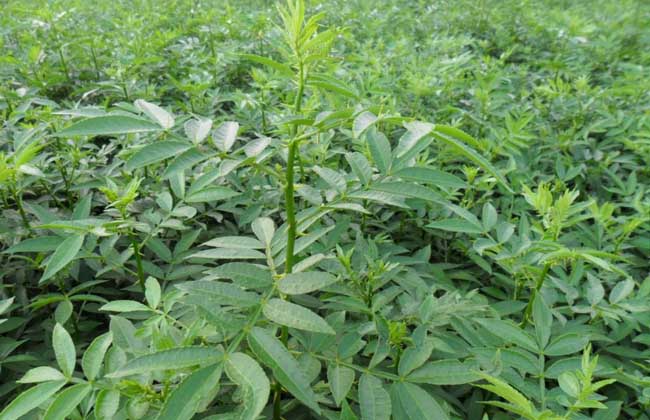
Sichuan pepper, also known as hui, da jiao, Qin pepper, Shu pepper, etc., is a deciduous shrub or small tree of the genus Zanthoxylum in the Rutaceae family. It is widely distributed in China, with production areas ranging from southern Northeast China in the north, to the northern slopes of the Five Ridges in the south, to the coastal areas of Jiangsu and Zhejiang in the southeast, and to southeastern Tibet in the southwest. It is not produced in Taiwan, China, Hainan and Guangdong. Let's take a look below at how to grow Sichuan pepper seeds!
Harvesting Sichuan pepper seeds
The harvest season for Sichuan pepper is generally August to September, which is also a great time for raising seedlings and collecting seeds. The main varieties currently promoted include Dahongpao (Shizitou), Xiaohongbao, Huangjinjiao, Youjiao, etc. Seed trees should be selected from middle-aged trees with strong vigor, high fruit set and excellent quality. When harvesting, choose fully mature Sichuan pepper with purple-red fruit skin and blue-black, plump, pest-free seeds for seed use.
Treating Sichuan pepper seeds
For freshly collected Sichuan pepper seeds, first use clean water to remove shriveled seeds, then soak them for 2 days in a 1% alkaline solution or 1% laundry detergent solution prepared with warm water (the amount of water should be enough to submerge the seeds). Repeatedly rub and wash the oil on the seed coat until the seed surface turns grayish-white. After removing them, rinse off the alkaline liquid on the seed coat with clean water, mix in plant ash and they are ready for sowing.
Choosing a seedbed for Sichuan pepper
Sichuan pepper requires plenty of sunlight from the seedling stage onward. The seedbed should preferably be located in a wind-sheltered, sunny place with deep, fertile soil and good drainage, ideally sandy soil. Before sowing, prepare the soil carefully, break up clods, and make it loose on top and firm below. In combination with deep plowing and soil preparation, apply 4000-5000 kg of decomposed organic fertilizer, 8-10 kg of urea, 30-40 kg of superphosphate, 50 kg of plant ash or 10-15 kg of potassium sulfate per mu. On the basis of careful soil preparation, make beds 1-1.2 m wide and 6-10 m long.
Sowing Sichuan pepper seeds
Open furrows in the prepared seedling bed, with a furrow spacing of 20-25 cm, a depth of 4-5 cm, and a width of 8-9 cm. Level the furrow bottom, evenly scatter the seeds into the furrows, and cover with soil. After the beginning of spring the following year, check germination. When a small number of seeds break through the soil, scrape off the upper covering soil, leaving 3-4 cm of covering soil below. When more than 80% of the seeds have cracked open, scrape the soil again, leaving 1-2 cm. The sowing rate is 5-6 kg per mu. The sowing period should be before the soil freezes, generally from mid-October to early November. In Sichuan pepper production areas, sowing can be done immediately after seed collection from mid-to-late August to early September.
Seedling-stage management of Sichuan pepper
Autumn seedling raising of Sichuan pepper takes a long time for seeds to emerge, but seedlings emerge earlier than with spring sowing. Therefore, in arid areas or where the seedbed soil is heavy and clayey, plastic film or wheat straw can be used to cover the bed after sowing. During drought, water can be sprayed, but do not flood irrigate. Keep the seedbed soil moist at all times. When the seedlings grow to 3-4 cm tall and have 3-4 true leaves, thin them. When the seedlings reach 10 cm in height, finalize the spacing, with a seedling spacing of about 5 cm and 20000-30000 seedlings retained per mu. At the same time, irrigate and drain water in a timely manner and apply topdressing, and do a good job of intertillage and loosening the soil, improving soil aeration, clearing weeds in the seedbed, and controlling pests and diseases to ensure healthy growth of Sichuan pepper seedlings.