When is the most suitable time to plant cherry tomatoes?
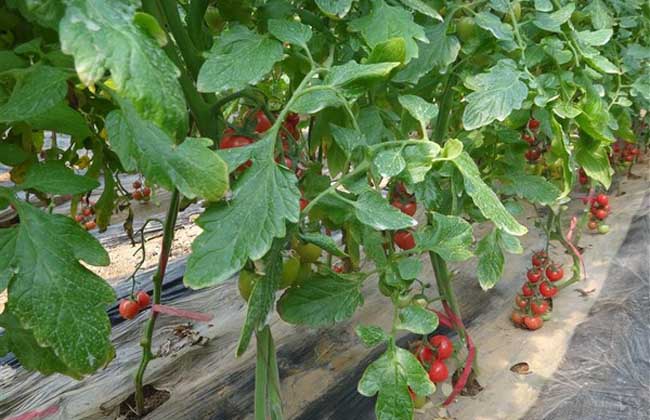
Cherry tomatoes have high nutritional value and a unique flavor, offering both edible and ornamental value. They are not only brightly colored and beautifully shaped, but also taste pleasant and are rich in nutrients. In addition to containing all the nutritional components of regular tomatoes, their vitamin content is 1.7 times that of ordinary tomatoes, giving them extremely high cultivation value. Let's take a look below at when the planting time for cherry tomatoes is!
Cherry Tomato Planting Time
The suitable temperature for the growth and development of cherry tomatoes is 23-28°C, with a night temperature of 15-18°C. They like sufficient sunlight, and the soil moisture requirement is 60-80%. Deep, loose and fertile soil with a pH of 6-6.5 that is slightly acidic is most suitable. They have strong adaptability. Through different sowing periods and different protected cultivation methods, four-season production and year-round supply can be achieved. Usually in the north, spring sowing is from April to June or autumn sowing from August to September; in the south, spring sowing is from February to June or autumn sowing from August to October. Field planting can be done from August to February of the following year.
Cherry Tomato Sowing and Seedling Raising
Before sowing cherry tomatoes, the seeds must be disinfected. To prevent and control tomato early blight, first soak the seeds in warm clean water for 3-4 hours, then soak them in a 100-fold solution of 40% formalin. After 20 minutes, remove them and seal them for 2-3 hours, finally rinsing them clean with water. To prevent and control tomato viral disease, likewise first soak in clean water for 3-4 hours, then transfer to a 10% trisodium phosphate or 2% sodium hydroxide aqueous solution, soak for 20 minutes, remove, and rinse several times with clean water until the pH tests neutral. When sowing, first water the seedbed thoroughly, mix the seeds with fine sand or crumbled soil, spread them evenly over the seedbed, and cover with 0.5 cm of loose soil. When the seedlings grow 2-3 true leaves, thinning is needed, and at 5-6 true leaves they can be transplanted.
Cherry Tomato Land Preparation and Transplanting
For the cherry tomato planting site, choose a field where no solanaceous plants have been grown in the previous crop and that has convenient drainage and irrigation. After plowing and harrowing the land, open planting furrows according to the row spacing, apply base fertilizer, and then form raised beds. The beds should run north-south in principle, with a bed width of 1.4-1.7 m (including ditches), a plant spacing of 45-55 cm, and 1600-2000 plants per mu. Select strong, healthy seedlings for transplanting, and irrigate immediately after transplanting.
Cherry Tomato Field Management
1. Reasonable fertilization: Cherry tomatoes have a well-developed root system and vigorous growth. Fertilizer should be mainly organic fertilizer, combined with compound fertilizer. Per mu, apply 2500 kg of decomposed manure or barnyard manure, or 2000 kg of human and livestock manure, or 100 kg of rapeseed cake, 30 kg of compound fertilizer, and 50 kg of superphosphate as base fertilizer. Regulate growth through water management. Before harvesting the fruit, for every 2-3 clusters of fruit harvested, according to the strength of the growth vigor, apply liquid fertilizer 2-3 times as a top dressing, but appropriately increase the application of potassium fertilizer.
2. Reasonable irrigation: Cherry tomatoes are a vegetable crop that flowers and fruits continuously. After entering the flowering period, watering should follow the principle of alternating wet and dry (meaning water thoroughly at one time, then wait until the soil is almost dry before watering the second time; the purpose is to prevent root rot caused by overwatering and pests and diseases caused by humidity). Do not water too much, and do not let the soil dry out, otherwise it will cause flower and fruit drop and physiological fruit cracking.
3. Staking and vine tying: After transplanting and seedling recovery, stake and tie the vines promptly. For early-maturing self-topping varieties, the trellis height is below 1 m; for tall-trellis varieties, the trellis height is above 1.5 m. Generally use A-shaped trellises and vertical trellises, and the stakes should be sturdy and firm to prevent lodging. Tie the stem to the trellis from above the first fruit cluster, and thereafter tie once every 2-3 leaves. When tying vines, pay attention to tightness: tie tighter when the plant is growing vigorously, and looser when the growth vigor is weak.
3. Pruning and removing side shoots: According to the growth situation of cherry tomatoes, there are two methods: single-stem pruning and double-stem pruning. Single-stem pruning keeps only the main stem and removes all side buds. Double-stem pruning, in addition to the main stem, keeps only one side branch growing from the leaf axil below the first inflorescence, and all other side buds are removed. When removing buds, pay attention to doing it early, preferably choosing a sunny day. Keep the wound dry to avoid infection by pathogens. If done on a rainy day, spray medicine immediately after the operation to prevent disease.
4. Timely harvesting: Cherry tomatoes should be harvested immediately when they reach commercial fruit maturity according to the characteristics of different varieties. Overripe harvesting is not conducive to storage and transportation.