Is the cherry tomato genetically modified? The truth explained once and for all
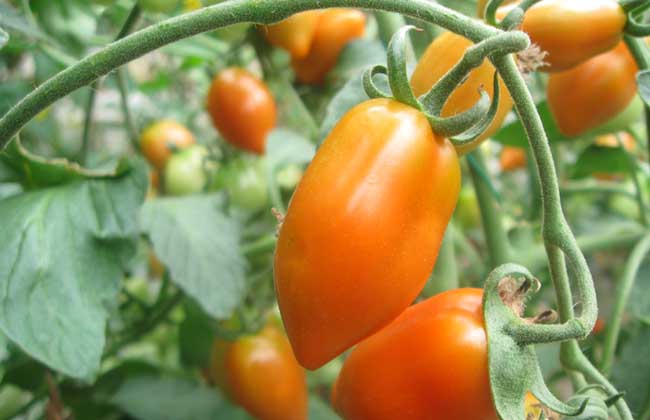
Cherry tomatoes are often called small tomatoes. They have very high nutritional value and are highly sought after by consumers. They have the effects of promoting salivation and quenching thirst, strengthening the stomach and aiding digestion, clearing heat and detoxifying, cooling the blood and calming the liver, nourishing and enriching the blood, and stimulating appetite. However, many consumers believe that cherry tomatoes are genetically modified foods. Let us take a look below at whether cherry tomatoes are actually genetically modified!
Are cherry tomatoes genetically modified?
Cherry tomatoes are not genetically modified foods; they are simply an intermediate stage in the process of tomatoes going from small to large. Cherry tomatoes are in fact the most primitive tomato variety, while large tomatoes were later developed through crossbreeding and selection in pursuit of larger fruit. The reason some cherry tomatoes taste especially sweet and have a small, cute appearance is that they were specifically selected during breeding to cater to market demand. Cherry tomatoes and tomatoes differ only slightly in size and color; tomatoes are relatively large, cherry tomatoes are relatively small, and the color is generally slightly dark red. The nutritional value of cherry tomatoes is basically the same as that of large tomatoes, but some components are superior to ordinary tomatoes.
What are the common genetically modified foods?
1. Tomato: I believe many people like eating tomatoes, and precisely because most people around the world like this vegetable, scientists have studied tomatoes more deeply, and found that tomato genes are relatively easy to transfer, so the tomatoes eaten today are also slowly moving onto the path of genetic modification, and there is even a trend toward starting commercial production. It is worth mentioning that although genetically modified tomato production has been approved in our country, large-scale commercial production has not yet begun.
2. Bell pepper: In 1998, approved by the Ministry of Agriculture, genetically modified colored peppers were once allowed for commercial cultivation, but genetically modified colored peppers in our country seem not to have received much welcome from the public, and today genetically modified colored peppers are basically no longer produced, but it cannot be ruled out that some merchants violate government regulations and privately cultivate genetically modified colored peppers.
3. Corn: Genetically modified corn has already been allowed to be imported from the United States in our country, especially on January 7, 2015, when a certain agricultural university even developed a genetically modified corn variety with insect-resistant rice, and won an award for it.
4. Rapeseed: We all know that rapeseed can be used to produce oil, so many people who study agriculture focus their research on it. Genetically modified rapeseed is still subject to various controversies among governments of various countries; in the end it is still about concerns over toxicity and allergies. Although the cultivation of genetically modified rapeseed has not yet begun to be promoted in our country, genetically modified rapeseed seeds are imported.
5. Soybean: When we go to buy cooking oil, we often find that some cooking oils are labeled “genetically modified soybean”. In fact, genetically modified soybeans have already begun to enter the Chinese market on a large scale, and are mainly used for processing cooking oil. As for whether genetically modified soybeans are being sold on the market, it is unknown, so if you do not want to eat genetically modified cooking oil, it is recommended to read the product label clearly before buying.
What are the characteristics of genetically modified vegetables?
1. Size: They do not have the uneven appearance of traditional vegetables; they are generally uniform in size, large in shape with a long body, bright in color, and fresh and tender in texture. For example, soybeans should look like the kidney organ of an animal, somewhat flat, with a waist line, but today's soybeans are all round, like peas, and have very high yields.
2. Taste: They do not have the original authentic taste of traditional vegetables; whether it is the smell or the flavor before or after cooking, there is a clear difference from traditional vegetables. Traditional corn is generally yellow corn or white corn, slightly sweet, while the sweet corn popular now is very high in sweetness, as if honey had been added. Sweet corn kernels have less wax on the surface, a tender texture, and some are even waxy.
3. Season: Non-local seasonal vegetables. A major characteristic of all kinds of vegetables is that they all have strong seasonality and regionality. Some non-local seasonal vegetables are obtained by transferring cold-resistant or high-temperature-resistant genes, such as off-season winter jujubes.
4. Color: Different from traditional colors, such as colored cotton, black rice peanuts, and purple sweet potatoes.
5. Pests: Any vegetable that pests like to visit is not genetically modified; any vegetable that pests fear, that is, one with no pests or very few pests, is absolutely genetically modified.
6. Yield: Genetically modified vegetables generally have a much higher yield than traditional vegetables in the first few years.
7. Seed saving: Genetically modified vegetables are generally very difficult to save seed from.