How to Plant Lettuce Seeds? Detailed Explanation of Sowing Methods and Steps
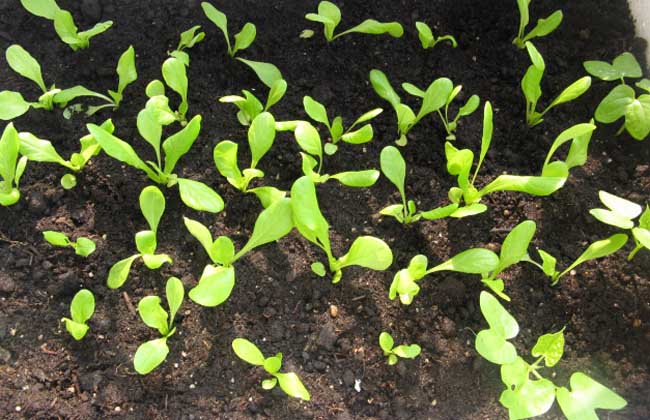
Lettuce originated along the Mediterranean coast of Europe, domesticated from wild species. It has a long history of introduction into China, and is cultivated more extensively along the southeastern coast, especially in the suburbs of major cities and in the Guangdong and Guangxi regions. It has extremely high cultivation value. Common cultivated varieties include glass lettuce, Emperor, Caesar, head lettuce, oakleaf lettuce, Great Lakes 659, and others. Now let's take a look at how to plant lettuce seeds!
Growth Habits of Lettuce
Lettuce prefers a cool environment; it is neither cold-tolerant nor heat-tolerant. The suitable growth temperature is 15-20°C, and the growth period is 90-100 days. The seeds are relatively tolerant of low temperatures and can germinate at 4°C. The optimum germination temperature is 18-22°C, and they almost do not germinate above 30°C. During the growth period, it prefers cool climates, growing best at 15-20°C with high yield and excellent quality. Growth is poorer when temperatures remain above 25°C, but it is also quite cold-tolerant, and 0°C or even short periods of sub-zero low temperatures do not greatly hinder growth. The root system is well developed, the leaf surface has a waxy coating, and drought tolerance is quite strong. However, when cultivated in fertile, moist soil, the yield is high and the quality is good. The suitable soil pH is 5.8-6.6.
How to plant lettuce seeds?
1. Sowing time: Generally, the sowing period for lettuce is from August to February of the following year. The suitable sowing time is from mid-October to mid-December. Sowing is also possible in early March and early July, though the growth period is shorter and the yield is lower. In winter and early spring, cultivate in large or small plastic tunnels; in summer, cultivate under shade nets or in shaded shelters. For the seedling bed, apply 1500 kg of decomposed farmyard manure and 20 kg of superphosphate per 60 sq m, then plow and mix evenly and level. For seedling raising and transplanting, each mu of cultivation field requires 20-30 sq m of seedling bed and 25-30 grams of seed.
2. Seed germination: When sowing lettuce in the high-temperature season, the seeds must undergo low-temperature germination. First soak them in well water for about 6 hours, rub and wash them, take them out, wrap them in moist gauze, and place them at 15-18°C for germination, or hang them in a water well for germination, or place them in a refrigerator (with the temperature controlled at about 5°C), then after 24 hours place the seeds in a cool place with insulation for germination. You can also soak the seeds in a 0.2 per thousand "920" solution for 24 hours, which can successfully break the dormancy of lettuce seeds, and germination will be complete in 2-3 days. When 80% of the seeds have sprouted white, sow them promptly.
3. Seedling raising and transplanting: Before sowing, water the seedling bed thoroughly. Mix the seeds evenly with an equal amount of moist fine sand and broadcast them, then cover with about 0.5 cm of soil. When 2-3 true leaves appear, thin or transplant the seedlings in time. For seedling raising in large tunnels or open fields in winter and spring, pay attention to keeping the seedling bed warm, and at the same time control the amount of watering to prevent excessive humidity. For open-field seedling raising in summer, pay attention to covering with a shade net and water 2-3 times a day to keep the soil moist.
Lettuce Cultivation and Management
1. Scientific fertilization: Lettuce requires clay loam rich in organic matter with strong water and fertilizer retention. Lettuce prefers slightly acidic soil, with a suitable soil pH of 5-7. For every 1000 kg of lettuce produced, it absorbs 2.5 kg of nitrogen, 1.2 kg of phosphorus, and 4.5 kg of potassium, with head lettuce requiring more potassium. During the growth period, nitrogen, phosphorus, and potassium fertilizers need to be used in combination. The plot for planting lettuce should be deeply plowed and carefully prepared. Before planting, apply sufficient base fertilizer: 3000-3500 kg of decomposed farmyard manure per mu. After application, plow deeply, water thoroughly with bottom water, and make beds after the soil surface dries.
2. Careful planting: The day before planting, irrigate the seedling bed to make the seedling clumps moist. The next day, lift the seedlings with as much soil as possible to reduce root damage. When planting, first open furrows on the bed surface, with a furrow depth of 4-6 cm. On a 70 cm bed surface, plant 3 rows. After opening the furrows, apply 25 kg of compound fertilizer per mu and then irrigate. After the water seeps in, place the seedlings at a spacing of 24 cm, cover with soil, and close the furrows. Rake the bed surface level, cover with plastic film, and draw the seedlings out through the film.
3. Post-planting management: Lettuce likes moisture and requires a sufficient water supply throughout the entire growth period. Water once 5-7 days after planting to help the seedlings recover. After watering for seedling recovery, carry out 2 rounds of intertillage, loosening, and weeding on plots not covered with plastic film. After that, water 3-4 times, and apply nitrogen and phosphorus fertilizers in stages along with watering, at 15-20 kg per mu. Stop watering before harvest to facilitate storage and transport.
4. Pest and disease control: The main diseases of lettuce include downy mildew, soft rot, viral disease, and sclerotinia rot, among which sclerotinia rot and soft rot cause greater damage. Measures can include crop rotation, appropriately reducing planting density, not watering too much, frequently hoeing shallowly, keeping the soil surface dry, promptly pulling out diseased plants, removing dead leaves and burning them in a centralized manner. After disease onset, spray agricultural streptomycin and amobam; in high-temperature and high-humidity seasons, spray chlorothalonil once every 5-7 days for prevention. The main insect pests include aphids, thrips, cutworms, and others, which can be controlled with omethoate, fenvalerate, and similar agents.