When Is the Best Time to Plant Lettuce? A Detailed Guide to Planting Times
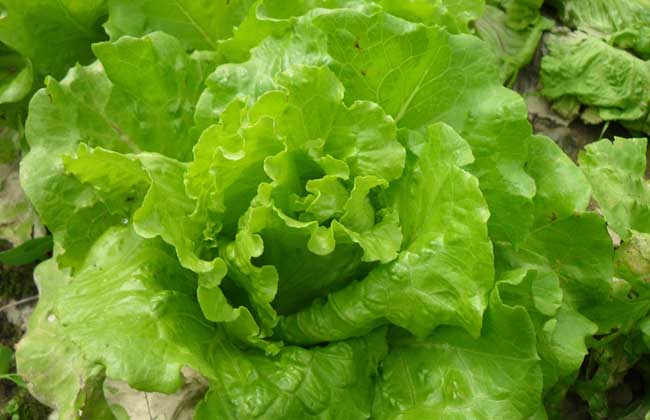
Lettuce is an annual or biennial herbaceous crop of the genus Lactuca in the Asteraceae family. It originated along the Mediterranean coast of Europe, where it was domesticated from a wild species; the ancient Greeks and Romans were the first to eat it. It has a fairly long history of introduction into China, and is grown more extensively along the southeastern coast, especially on the outskirts of major cities, and in the Guangdong and Guangxi regions. Let's take a look below at when lettuce should be planted!
Lettuce's Growth Habits
Lettuce prefers a cool environment; it tolerates neither cold nor heat. The suitable growing temperature is 15-20°C, and the growing period is 90-100 days. The seeds are fairly tolerant of low temperatures and can germinate at 4°C; the optimum germination temperature is 18-22°C, and above 30°C they almost do not germinate. During growth it likes a cool climate, growing best at 15-20°C with high yields and excellent quality; growth is poorer when temperatures stay above 25°C. However, it is also quite cold-tolerant, and 0°C or even short periods of subzero low temperatures do not greatly hinder its growth. It has a well-developed root system and waxy leaves, giving it fairly strong drought tolerance, but when grown in fertile, moist soil it produces high yields and good quality. The suitable soil pH is 5.8-6.6.
Lettuce Sowing Times
Lettuce prefers a cool climate, so sowing is generally done in spring and autumn. In spring, sowing usually starts from February to April, and harvest can be done from May to June. For autumn sowing, sowing can start at the end of August, and harvest can be done from September to October. Because different varieties of lettuce have different characteristics, when choosing a sowing time you should first check the instructions for the lettuce seeds you bought, and then sow according to the sowing times above. Spring and summer are suitable for sowing loose-leaf lettuce (such as butterhead lettuce and colored-leaf lettuce), which is more heat-tolerant, while autumn and winter are suitable for sowing head lettuce (also called iceberg lettuce), which is not heat-tolerant.
Lettuce Sowing Methods
1. Sowing: Lettuce seeds are too small and too light, so they need to be mixed with fine sand. Put them in a container and stir evenly, then scatter them onto the soil and cover with 0.5-1 cm of soil, just a thin layer. At 15-20 degrees they germinate in about 3-5 days; when the temperature is above 25 degrees, germination is difficult. When planting in summer, germination must be forced: soak the seeds for 1 night, then wrap them well in a damp gauze and place them in the refrigerator's cold storage compartment (around 5 degrees). Sow again when more than about half of the seeds have sprouted white.
2. Seedling stage: During the lettuce seedling stage, keep the soil moist and do not let it dry out; keep the soil permeable. Thin the seedlings when there are 2-3 true leaves, with a plant spacing of 5-8 cm.
3. Transplanting: When lettuce seedlings have grown to 5-6 true leaves, transplant them. Before transplanting, water thoroughly first, then move them together with the soil on their roots into a large pot. For loose-leaf lettuce, plant spacing is 15 cm, and for head lettuce, 30 cm. Water thoroughly. In summer, first place them in a shady spot to let the seedlings recover; after about 1 week, once the roots have taken hold, give them normal sunlight.
4. Fertilizing: One week after transplanting the lettuce seedlings, apply fertilizer once (nitrogen-based fertilizer, with well-rotted organic fertilizer being best). Two weeks and again four weeks after transplanting, apply organic fertilizer or a compound fertilizer based mainly on nitrogen, phosphorus and potassium once each. Stop fertilizing 2 weeks before harvest.
5. Watering: When lettuce is grown in high temperatures, water in the morning and evening; small amounts applied frequently are best, but waterlogging must be avoided. In the early growth stage, it is suitable to control water and just keep the soil moist.