Where are the main places of origin of moringa distributed?
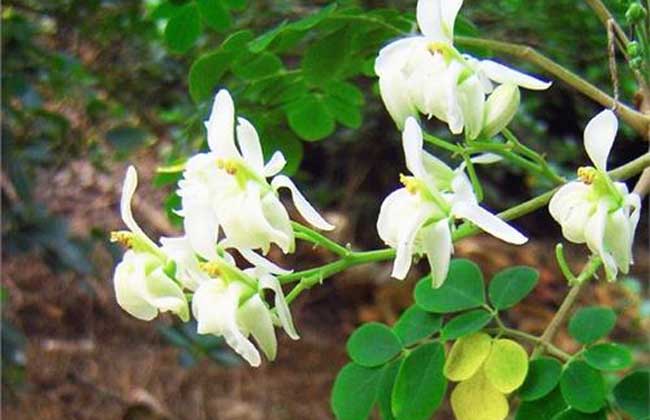
Moringa, also known as the drumstick tree, is a perennial tropical deciduous tree of the Moringa genus in the Moringaceae family. It is planted as an ornamental tree in tropical and subtropical regions and has certain economic value. Its seeds can purify water and produce edible oil (it also has certain value in the paint and cosmetics manufacturing industries), and its roots are likewise edible. Let us take a look below at the distribution of moringa's places of origin!
The distribution of moringa's places of origin
Moringa is native to northern India, and there are about 14 varieties worldwide. It is now also widely cultivated in China. The varieties currently more commonly eaten are three: traditional Indian moringa, improved Indian moringa, and African moringa (originally found only near Lake Turkana in Kenya and in southwestern Ethiopia). Since the moringa tree was confirmed to be a plant rich in high nutritional value, in countries such as Europe, the United States, and Japan that have already developed moringa tree foods, it has become a new favorite in the health food world because of its characteristics of high protein, low fat, high fiber, and high vitamin content, along with its special health benefits such as lowering blood sugar, antibacterial and anti-inflammatory effects, and strengthening the heart.
The environment of moringa's places of origin
Moringa likes sunlight, and its main root is very long, so it can withstand long-term drought. The suitable growth temperature is 25-35°C. In shaded conditions it can endure high temperatures of 48°C, and it can also tolerate slight frost. Severe cold may kill the aboveground parts of moringa, but after severe cold, new buds can still sprout again and grow into plants. It can adapt to various soils such as sandy soil and clay soil, and can also grow in slightly alkaline soil.
The cultivation value of moringa
1. Every part of the moringa plant can be used. The roots and bark are raw materials for traditional medicine, the tender leaves and tender seed pods are delicious and nutritious vegetables, and the seeds are rich in plant oil. After the oil is pressed, the remaining cake is a flocculant recommended by international environmental organizations for purifying drinking water for humans and livestock.
2. In traditional Indian medicine, moringa is believed to effectively prevent and treat many diseases, with multiple effects such as strengthening the heart, promoting blood circulation, diuresis, aiding digestion, aiding sleep, strengthening the spleen and stomach, and removing waste from the body.
3. Moringa is rich in a variety of trace elements necessary for the human body, can supplement a variety of amino acids and minerals essential to the human body, regulate the body's nutritional balance, enhance human immunity, improve the quality of life and diet, promote physical and mental health, and more effectively prevent and fight various “diseases of affluence.”
4. Moringa seeds contain all the nutritional elements needed by the human body and can replace multivitamins, calcium tablets, cod liver oil, etc. They are very helpful for preventing diseases, improving sleep, enhancing memory, and delaying aging. They are used to treat diseases of special areas such as the liver, spleen, and meridians, and also have good effects on high blood pressure, high blood lipids, diabetes, gout, etc. In addition, they also have effects such as improving sexual function, treating bad breath, and sobering up after drinking.
5. Moringa not only has relatively high medicinal and food value, but also has broad development prospects and relatively high value potential in the health products, cosmetics, medicine, and industrial fields.