Key Points and Management Methods of Moringa Tree Cultivation Techniques
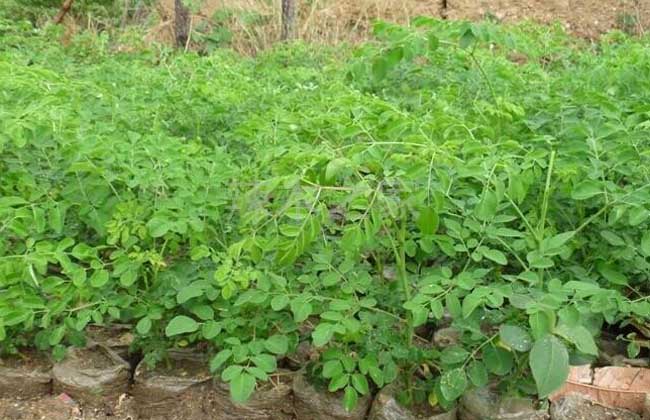
The moringa tree is also known as the drumstick tree, horseradish tree, etc. It is a perennial evergreen small to large tree of the genus Moringa in the family Moringaceae. There are currently 14 known species, of which two are cultivated for food: the Indian moringa tree and the African moringa tree. It can be called a versatile and miraculous natural health plant and has high cultivation prospects. Let us take a look at moringa tree cultivation techniques below!
Moringa Tree Cultivation Conditions
Moringa prefers sunlight and has a very long taproot, so it can withstand long periods of drought. Its suitable growing temperature is 25-35°C. In shaded conditions it can endure high temperatures of 48°C, and it can also tolerate slight frost. Severe cold may kill the aboveground parts of the moringa, but after the severe cold, new shoots can still sprout again and grow into plants. It can adapt to various soils such as sandy soil and clay soil, and can also grow in slightly alkaline soil.
Moringa Tree Seed Propagation
1. Seedbed preparation: Choose land for the moringa seedbed that is close to the planting site, sheltered from wind, and convenient for water access. Remove weeds, stones, and other debris, level the land, and use red bricks to build a sprouting bed about 600×80×40 cm in length, width, and height, then place river sand inside to a thickness of 20-25 cm. Set up a shade net of about 40% shading above the seedbed; the shade shed is 1.7 m high, and its length and width depend on the actual terrain of the seedbed scale.
2. Sowing method: Before sowing moringa seeds, first remove defective seeds, immature seeds, and moldy seeds. Pour the selected seeds into prepared medicinal solution and soak for 15-17 hours before sowing. For the medicinal agent, fungicides such as 800-1200 times liquid carbendazim, Lüheng No. 2, and baijunqing can be used. When sowing, use a straight wooden stick to level the sand bed, press the seeds into the sand by hand at a spacing of about 2 cm, and a sowing depth of 1.5-2 cm is appropriate; too deep or too shallow will reduce the emergence rate. After sowing, water thoroughly, then cover with agricultural film. Seeds from the current year generally sprout in 5-7 days, while seeds from the second and third years sprout 3-5 days later.
3. Seedling management: After moringa is transplanted and survives, apply a fungicide such as 800 times Lüheng No. 2 once every 15 days, and observe insect pests at any time and spray pesticide in a timely manner. Water frequently to keep the soil in the bag moist, but do not use too much water to prevent root rot. When the seedlings grow to 5-6 leaves, the shade net can be removed for hardening. After about 4 weeks, the plant height can reach more than 40 cm, and they can be planted in the field at the appropriate time. If planting is too late, the main root of the seedling will penetrate the bag and affect the survival rate.
Moringa Tree Cultivation Techniques
1. Land preparation and planting: Moringa can be planted by two methods: direct seed sowing and seedling transplanting. Direct seed sowing means sowing the seeds directly into the planting hole, 2-3 seeds per hole, covering with 1.5-2.0 cm of soil, and after emergence keeping 1 robust seedling. Seedling transplanting means using nutritional cups to raise seedlings, taking care to protect the young roots during transplanting. Planting density should be determined according to the purpose of cultivation; for example, the planting density can be higher when harvesting tender leaves for food, and appropriately lower when harvesting pods or seeds.
2. Fertilizer and water management: Moringa does not have a large water requirement. During the seedling stage, it is enough to maintain appropriate moisture. In the dry season, irrigate appropriately to promote growth. Moringa tolerates poor soil, and generally no fertilizer is needed, but to promote growth and increase yield, fertilization helps restore tree vigor after production and helps the tree overwinter. Before harvesting pods, apply a 0.3-0.5% compound fertilizer water solution every 15-30 days, or dig trenches around the plant and apply organic fertilizer or stove ash. For young trees, shallow application and rotational application are appropriate; for mature trees, appropriately deep application can be used, and methods such as spot application, strip trench application, and radial trench application can be adopted.
3. Tree management: Moringa grows rapidly and generally grows to 3-4 m tall in the first year. Therefore, in order to increase branching and facilitate harvesting, pruning is generally carried out when the plant is about 0.5 m tall, and afterward the plant is cut back to below 1 m in height every winter. Tender leaves can be harvested once every 15-20 days.
4. Pest and disease control: Moringa has strong resistance to various pests and diseases. From domestic cultivation, the main pests and diseases are slight damage from butterfly larvae, red spiders, leaf miners, and inchworms, which can be controlled by handpicking, removing diseased leaves, or applying pesticide.
Moringa Tree Cultivation Value
1. The entire moringa plant can be used. The roots and bark are raw materials for traditional medicine, the tender leaves and tender pods are delicious and nutritious vegetables, and the seeds are rich in plant oil. After oil extraction, the remaining cake is a flocculant recommended by international environmental organizations for purifying drinking water for humans and livestock.
2. In traditional Indian medicine, moringa is believed to effectively prevent and treat many diseases, with various effects such as strengthening the heart, promoting blood circulation, diuresis, aiding digestion, aiding sleep, strengthening the spleen and stomach, and removing waste from the body.
3. Moringa is rich in various trace elements necessary for the human body. It can supplement various amino acids and minerals essential to the human body, regulate nutritional balance, enhance human immunity, improve the quality of life and diet, promote physical and mental health, and more effectively prevent and combat various “diseases of affluence”.
4. Moringa seeds contain all the nutritional elements needed by the human body and can replace multivitamins, calcium tablets, cod liver oil, etc. They are very helpful for preventing diseases, improving sleep, enhancing memory, and delaying aging. They are used to treat diseases of special parts such as the liver, spleen, and meridians, and also have good effects on high blood pressure, high blood lipids, diabetes, gout, etc. In addition, they also have effects such as improving sexual function, treating bad breath, and sobering up after drinking.
5. Moringa not only has relatively high medicinal and edible value, but also has broad development prospects and relatively high value potential in the fields of health products, cosmetics, medicine, and industry.