Okra Pest and Disease Control Techniques and Methods
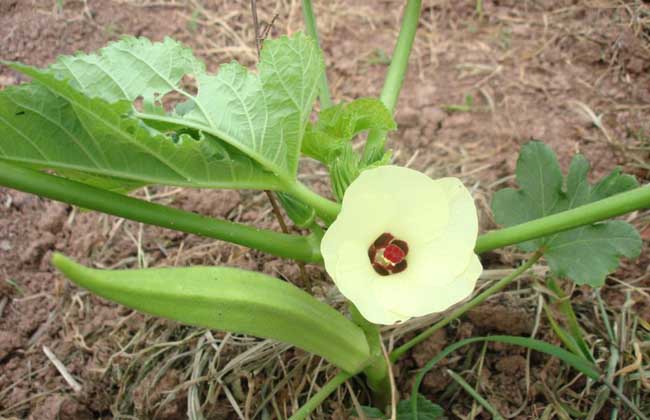
Okra prefers warm conditions and originated in India, and is widely cultivated in tropical and subtropical regions. In China, the cultivated area is also very extensive in provinces such as Hunan, Hubei and Guangdong. It has long been known as the king of vegetables and has extremely high economic and edible value. Let us now take a look at okra pest and disease control techniques!
Phytophthora blight
[Damage characteristics] Okra can be infected at both the seedling stage and the mature plant stage. After seedlings grow beyond 20 cm, phytophthora blight lesions spread from the leaves to the main stem, causing the stem to become thinner and fade in color, until the whole plant wilts or collapses. When leaves are infected, it mostly starts from the leaf tip or leaf margin of the lower part of the plant. In the early stage of the disease, the lesions are dark green, water-soaked and irregular in shape, and after expanding they turn brown.
[Control method] At the early stage of the disease, use 72% mancozeb, cymoxanil WP (Curzate) at 500 times dilution, or 69% dimethomorph plus mancozeb WP at 900 times dilution, or 64% oxadixyl plus folpet WP at 400 times dilution, or 58% metalaxyl plus mancozeb WP at 500 times dilution, spraying once every 7-10 days for 2-3 treatments.
Viral disease
[Damage characteristics] Viral disease is a major disease in okra production, and infection is more severe at the mature plant stage than at the seedling stage. After the plant is infected, the whole plant is affected, especially the tender leaves at the top, which are very obviously affected. The leaves show mosaic or brown mottled patterns. If infected early, the plant is stunted, and sets little or no fruit.
[Control method] Do not save seed from diseased fields, choose disease-resistant varieties, and at the early stage of the disease use 5% ningnanmycin WP at 400-500 times dilution, or 20% virus A WP at 400 times dilution, or 15% zhibingling at 1000 times dilution, or 83% resistance enhancer at 100 times dilution for 3 treatments, once every 7-10 days.
Tussock moth caterpillars
[Damage characteristics] Tussock moth caterpillars mainly damage okra at the seedling stage, often feeding on leaf mesophyll after emergence and causing notches, and in severe cases leaving only the leaf veins.
[Control method] Spray with 10% chlorfenapyr EC at 1500 times dilution, or 5% fipronil SC at 1500 times dilution, or abamectin EC plus fenvalerate EC at 3000 times dilution.
American serpentine leafminer
[Damage characteristics] It can occur throughout the entire growth period of okra and mainly damages the leaves.
[Control method] Use 1.8% abamectin EC (avermectin) at 5000 times dilution, or 52.25% chlorpyrifos plus cypermethrin EC at 1000 times dilution, or 48% chlorpyrifos EC at 1000 times dilution, or 5% fipronil SC at 800 times dilution for control.
Aphids
[Damage characteristics] They can occur throughout the entire growth period of okra, with heavier damage at the mature plant stage.
[Control method] Imidacloprid-type pesticides can be used, such as 10% yibianjing, 10% yashijing, 10% dagongchen and others at 3000 times dilution.
Ants
[Damage characteristics] After okra blooms, ants often gather on the floral organs and cause damage.
[Control method] Spray with 48% chlorpyrifos EC at 1000 times dilution, or spray with 5% fipronil EC at 1500 times dilution, or mix fipronil at 0.3% liquid with sawdust and scatter it where ants emerge to trap and kill them.
Cutworms
[Damage characteristics] Cutworms hide by day and come out at night, and often bite through the main stem at the seedling stage, causing missing seedlings.
[Control method] Generally, sugar-vinegar liquid is commonly used to lure and capture them, or soil is dug in the early morning to catch them, and specialized pesticides can also be used to kill them.