When is the best time to plant okra?
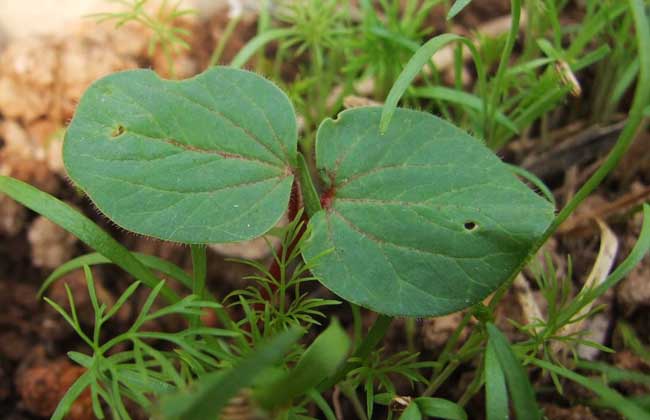
Okra is also known as coffee okra, Vietnamese sesame, goat's horn bean, hu ma, okra, kidney-tonifying vegetable, etc. It is an annual herbaceous plant of the genus Abelmoschus in the mallow family. It likes warmth and fears frost. The entire growth period should be arranged within the frost-free period, and the flowering and fruiting period should be in a warm and humid season in each region. Let's take a look at the planting time for okra below!
Planting time for okra
For open-field cultivation of okra, sowing is mostly from April to June across the north and south, with harvest from July to October. In North China, sowing is generally from mid-to-late April to May. In cold northern regions, solar greenhouses and plastic tunnels are often used for centralized seedling raising, and after the late frost in early spring, the seedlings are transplanted to the field. It takes about 60 days from sowing to the formation of the first tender pod. After that, the entire harvest period lasts 60-70 days, and the full growth period can reach about 120 days.
Growing conditions for okra
1. Temperature: Okra likes warmth and fears severe cold, and has strong heat tolerance. When the air temperature is 13°C and the soil temperature is around 15°C, the seeds can germinate. However, the optimum temperature for both seed germination and the growth period is 25-30°C. If the monthly average temperature is below 17°C, flowering and fruiting are affected; if the night temperature is below 14°C, growth is slow, plants are short, leaves are narrow, flowering is reduced, and flower drop increases. At the optimum temperature of 26-28°C, there is more flowering, a higher fruit-setting rate, faster fruit development, higher yield, and better quality.
2. Water: Okra is drought-tolerant and moisture-tolerant, but not waterlogging-tolerant. If the soil is too wet during the germination period, it easily induces damping-off in seedlings. If there is drought during the fruiting period, plant growth is poor and quality is inferior, so the soil should always be kept moist.
3. Light: Okra is especially sensitive to light conditions and requires a long photoperiod and sufficient light. A sunny plot should be chosen, ventilation should be enhanced, and reasonable close planting should be used to avoid mutual shading that affects ventilation and light penetration.
4. Soil: Okra has a wide adaptability to soil and is not selective about soil fertility, but loam or sandy loam with deep soil layers, loose fertility, and good drainage is preferable. Fertilizer should be mainly nitrogen in the early growth stage, while more phosphorus and potassium fertilizer is needed in the middle and late stages. However, too much nitrogen fertilizer makes plants prone to excessive vegetative growth, delays flowering and fruiting, and raises the node position of fruit set; insufficient nitrogen fertilizer causes poor plant growth and affects flowering and fruit set.
Okra planting methods
1. Land preparation and fertilization: For the plot prepared for planting okra, after the previous crop is harvested, deep plowing should be carried out in autumn and winter in a timely manner, with deep plowing of 30 cm, to deepen the cultivated soil layer, further loosen the soil, and enhance the soil's water and fertilizer retention capacity. Before planting, prepare the land finely, level, loose, and soft, with the top loose and the bottom firm. Okra requires more fertilizer. Apply 5000 kg of decomposed barnyard manure and 20 kg of compound fertilizer per mu, spread them on the ground before land preparation, then deeply plow them into the soil and rake finely to mix evenly, so that soil and fertilizer are blended, then open furrows and make beds.
2. Sowing at the right time: Direct seeding is mostly used, but seedling transplanting can also be used. Generally, sowing is in mid-May, transplanting in mid-June, and large-scale harvesting in August.
3. Thinning and intertillage: After okra emerges, thinning should be done in a timely manner. When there are 2-3 true leaves, remove diseased, weak, and small seedlings, leaving 2 plants per hole. After seedlings emerge, intertillage and weeding should be carried out in a timely manner, about once every 10 days. Before the first flower opens, intertillage should be strengthened and seedlings properly restrained to promote root development. Before the rows close, intertillage and earth up to prevent lodging.
4. Fertilizer and water management: Okra is relatively drought-tolerant and moisture-tolerant, and during the growth period it requires relatively high air and soil humidity, especially during the flowering and fruiting period when sufficient water is needed. Okra has a long growth and harvest period, with the entire growth period about 100 days. On the basis of applying sufficient base fertilizer, topdressing should be done appropriately. The first topdressing is after seedling emergence, applying 6-7 kg of urea per mu.
5. Setting up supports and removing leaves: In summer, supports should be set up to prevent lodging. A 1-meter-long bamboo pole or branch can be inserted beside the plant roots to support the plant. In the early growth stage, excessive vegetative growth should be prevented. In the middle and late stages, old leaves on the nodes below the harvested tender pods should be removed in a timely manner. For fruits reserved for seed, the growing tips should be removed in a timely manner, which can promote the ripening of seed fruits, help the seeds become plump, and improve seed quality.