Key Points of Luffa Pest and Disease Control Techniques, a Must-Read for Growers
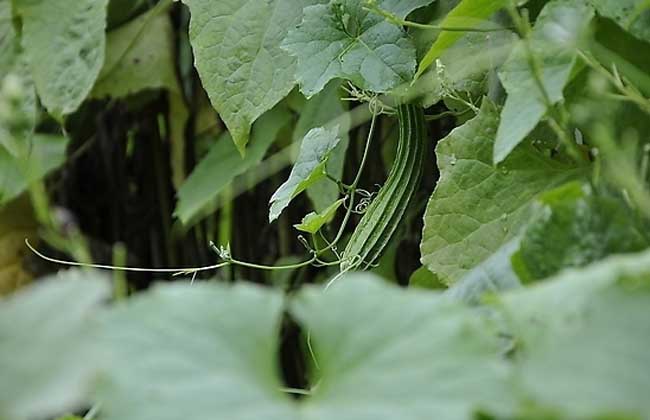
Luffa is a climbing herbaceous plant of the Cucurbitaceae family. Its fruit is a summer vegetable, widely grown throughout the country, with high cultivation prospects and edible value. During cultivation, luffa diseases include viral disease, downy mildew, phytophthora blight, powdery mildew, etc., and pests include cucumber vine borer, melon aphid, American leafminer, etc. Let's take a look at the pest and disease control techniques for luffa!
Luffa Cottony Leak
[Damage Characteristics] The damage period of luffa cottony leak is divided into the seedling stage and the fruiting stage, and after being damaged it causes fruit rot.
[Control Methods] Mainly agricultural control, focusing on the three-ditch system, reducing field humidity, balanced fertilization, preventing excessive and heavy application of nitrogen fertilizer, and strengthening chemical control, mainly using 1:2:200 Bordeaux mixture spray. When the fruiting period encounters many cloudy and rainy days with high humidity, early and frequent prevention is required.
Luffa Downy Mildew
[Damage Characteristics] Luffa downy mildew generally does not easily occur under normal environmental conditions. When it occurs, a large number of leaves die, directly affecting the yield and quality of the loofah fiber.
[Control Methods] Combine agricultural control with chemical control. For agricultural control, appropriately increase the application of phosphorus and potassium fertilizers to improve the plant's disease resistance. When the disease is first seen, promptly remove diseased leaves to reduce the spread of pathogens. For chemical control, 500 times metalaxyl can be used for early root drenching, and when the disease first occurs, 2000 times Ridomil can be used for spraying, once every 7 days, for 1 to 2 consecutive treatments.
Luffa Viral Disease
[Damage Characteristics] Luffa viral disease can be transmitted through aphids, farming operations, and contact with sweat.
[Control Methods] ① Select disease-tolerant varieties. ② Cultivate disease-free strong seedlings and transplant appropriately early. ③ Timely control aphids. ④ In the early stage of the disease, spray 20% Virus A wettable powder 500 times solution or 5% JunDuQing aqueous solution 500 times solution.
Luffa Phytophthora Blight
[Damage Characteristics] The pathogen comes from seeds or soil and spreads through wind, rain, and irrigation water.
[Control Methods] ① Select disease-resistant varieties. ② Implement crop rotation, and choose fields with moderate elevation and convenient drainage and irrigation. ③ In the early stage of the disease, spray 40% phosethyl-Al 200 times solution or 75% chlorothalonil 500 times solution, once every 7 days, for 2-3 treatments.
Luffa Powdery Mildew
[Damage Characteristics] The pathogen overwinters on diseased residues. During the growing season, a large number of conidia are produced on the lesions and spread by wind and rain. July to August is the peak period of the disease.
[Control Methods] In late June, spray 1:1:200 Bordeaux mixture once for prevention. In early July, use 25% triadimefon 500 times solution and spray once every 5 to 8 days, for 2 to 3 consecutive treatments.
Luffa Vine Borer
[Damage Characteristics] The luffa vine borer usually occurs in large numbers and causes severe damage from July to September.
[Control Methods] ① After harvest, combined with compost making, collect and burn dead vines and fallen leaves to reduce the source of insects. ② In the early stage of larval occurrence, promptly remove damaged curled leaves to eliminate some larvae. ③ During the peak period of larval occurrence, chemical control can be carried out against young larvae. The pesticides include 10% cypermethrin 1500 times solution and 2.5% kungfu 3000 times solution spray.
Luffa Melon Aphid
[Damage Characteristics] Adults and larvae of the melon aphid mostly gather on the underside of leaves, tender stems, and tender shoots to pierce and suck sap, causing leaf curling and death of growing points, and as a vector for viral disease transmission, the damage caused is far greater than the damage from its own sap sucking.
[Control Methods] ① Promptly clear weeds around the field to reduce the insect source base. ② During the peak migration period of winged aphids, use yellow boards (coated with machine oil) to trap and kill aphids. ③ Use 50% pirimicarb or 90% methomyl 3000 times solution, or 1% aphid-kill 500 times solution, focusing on spraying the underside of leaves and tender shoots.
American Leafminer
[Damage Characteristics] Larvae mine and feed on the mesophyll inside leaves, forming curved white tunnels, affecting normal plant growth, and in severe cases can lead to a large number of fallen leaves and flowers, and premature plant decline.
[Control Methods] ① Clean the field, take weeds and dead branches and fallen leaves out of the field and burn them. ② When sporadic damaged leaves occur in the field, promptly remove them and handle them centrally; never throw them around. ③ Chemical control is best carried out when the tunnel length is less than 2 cm. The pesticides include 0.25% ShengBang 1500 times solution and 1.0% abamectin 1500 times solution. Note to rotate and alternate their use to slow down the development of resistance in this pest.